Streetwear Wash Sample Approval Guide
Quick Answer: Streetwear wash sample approval should compare a documented before-wash garment with the finished sample for measurements, colour, hand feel, surface character, seam appearance, trims, print or embroidery, and repeatability. The buyer should identify the exact wash recipe and sample revision, record acceptable variation, and issue written bulk approval only after critical risks are closed.
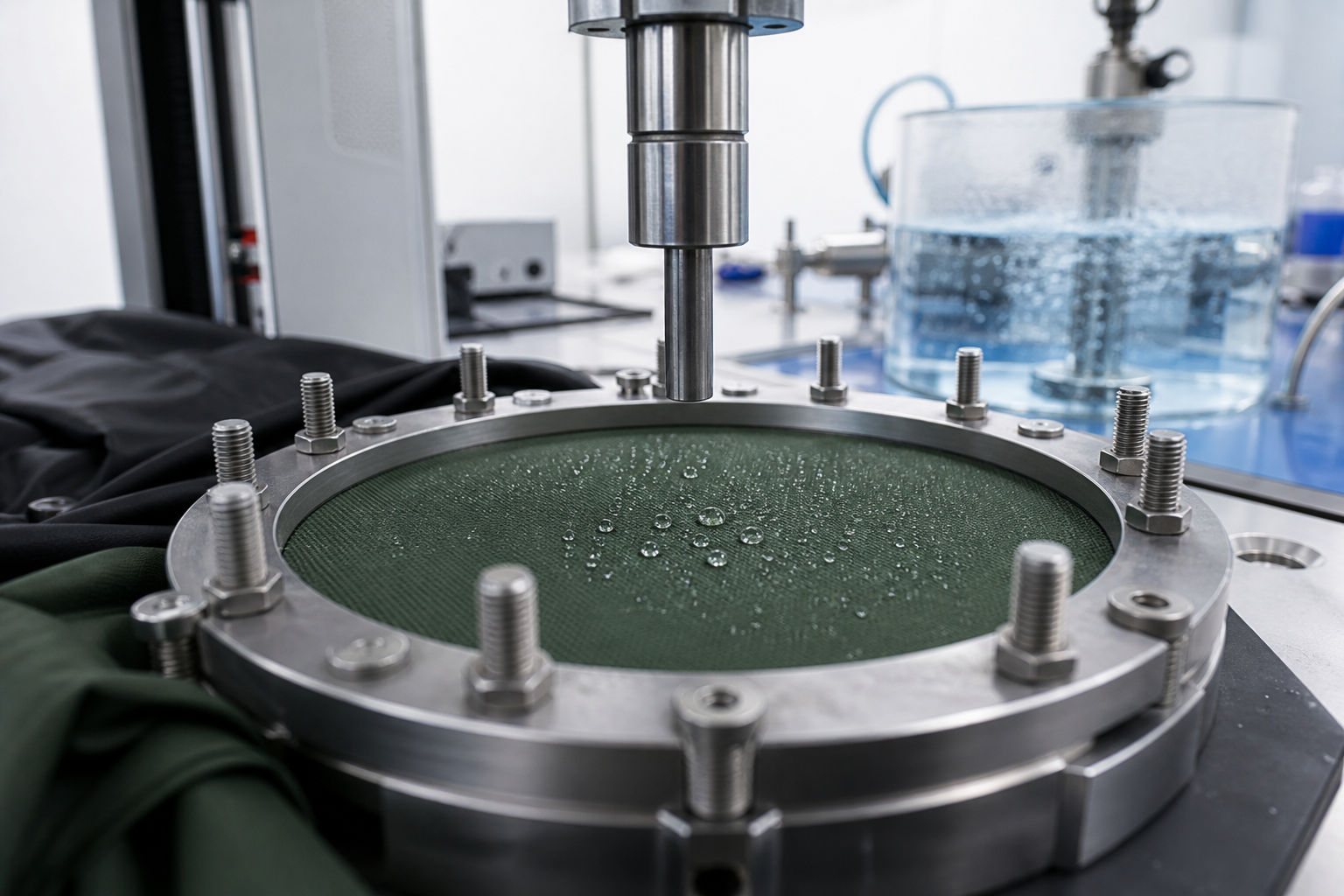
Streetwear wash sample approval turns an aesthetic idea—faded, softened, worn-in, garment-dyed, rinsed, or distressed—into a production control. Wash effects are influenced by fabric, dye, construction, load, chemistry, temperature, mechanical action, drying, and finishing. A single attractive sample is not enough unless the buyer and manufacturer also understand how it will be repeated and inspected.
What is streetwear wash sample approval?
It is a structured review of a garment processed with the intended bulk method. The approved sample represents visible features such as shade, contrast, hand feel, abrasion, creasing, and edge character, while the specification records measurable requirements such as dimensions and shrinkage. Together they define the target more reliably than an image or mood-board reference.
Approval should state whether the sample is a development sample, size-set sample, pre-production sample, or bulk wash standard. Those stages are not interchangeable. A development sample can guide direction, while the bulk standard must be linked to the final fabric, trims, artwork, construction, and process.
Why do garment washes vary?
Textiles respond to moisture, heat, agitation, chemistry, and drying in ways that depend on fibre composition, yarn, knit or weave, dye route, fabric finish, and garment construction. Dense areas such as seams, pockets, hoods, waistbands, and rib can absorb or release process effects differently. Even load size and garment-to-liquor ratio can influence results.
Variation is not automatically a defect; some washes are intended to create individual character. The buyer must distinguish controlled character from unacceptable inconsistency. Written visual zones, boundary samples, and measurable criteria make that distinction clearer.
Which checks belong in a streetwear wash sample approval record?
| Review area | Before/after evidence | Approval question | Bulk control |
|---|---|---|---|
| Dimensions | Measurements at defined points | Is change within the agreed tolerance? | Size-set and bulk checks |
| Shade and effect | Controlled-light photos and physical sample | Does the wash match the target range? | Approved centre and boundary references |
| Hand feel | Unwashed control versus washed garment | Is softness or dryness appropriate? | Consistent recipe and conditioning |
| Construction | Seams, rib, zippers, drawcords, labels | Did washing create distortion or damage? | First-load and in-line review |
| Decoration | Print, embroidery, transfer, patch | Did adhesion, colour, or surface change? | Process-compatible testing |

How should streetwear wash sample approval be performed?
- Identify the exact sample. Record style, colour, size, fabric lot, trim set, artwork, and construction revision.
- Condition and measure before washing. Use defined measurement points and a consistent conditioning approach.
- Record the process. Give the wash recipe or process code a controlled revision; avoid relying on a descriptive nickname alone.
- Condition the finished garment. Do not judge dimensions or hand feel while the sample is still warm, damp, or mechanically compressed.
- Measure dimensional change. Compare length, width, sleeve, shoulder, rise, inseam, rib, and other style-critical points.
- Inspect under controlled light. Review front, back, seams, folds, edges, and high-friction zones.
- Check function. Operate zippers, snaps, drawcords, and pockets; inspect prints and embroidery.
- Compare with the intended range. Use a target sample plus acceptable light/dark or strong/weak boundaries where appropriate.
- Approve in writing. State the controlling sample ID, recipe revision, accepted limitations, and bulk-release conditions.
How should dimensional change be recorded?
Use the same measurement locations and method before and after processing. ISO 3759 provides principles for marking, measuring, and preparing textile garments for dimensional-change tests, while ISO 5077 covers determination of dimensional change after washing and drying. The buyer should specify which procedure applies rather than quoting a shrinkage number without a method.
Record both absolute garment measurements and percentage change where useful. Check proportion, not only one chest or length value. A hoodie can meet body-width tolerance while the zipper waves, the rib contracts excessively, or the hood opening distorts.
How do buyers approve shade and surface character?
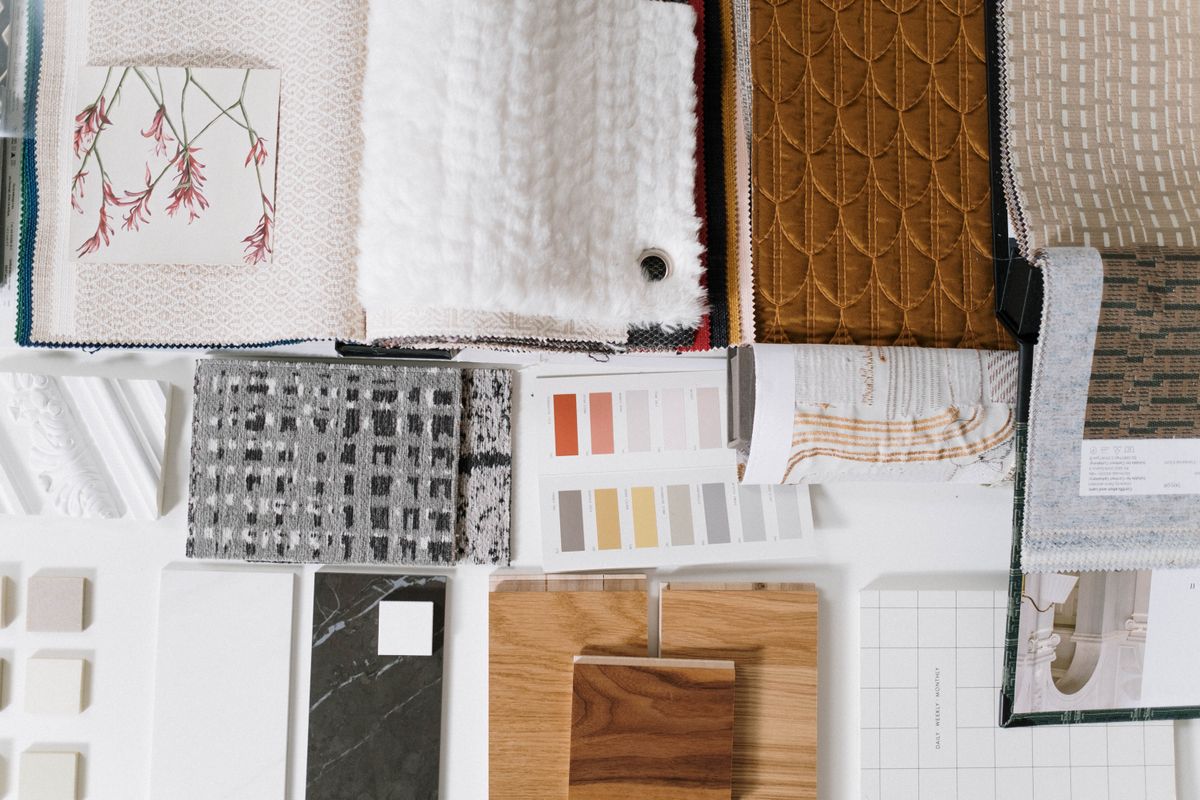
View samples in consistent lighting against a neutral background. Evaluate the full garment first, then seams, edges, panels, and decoration. Photographs help with communication, but camera exposure and white balance can hide or exaggerate differences. Retain a physical approved sample whenever colour and wash character are commercially important.
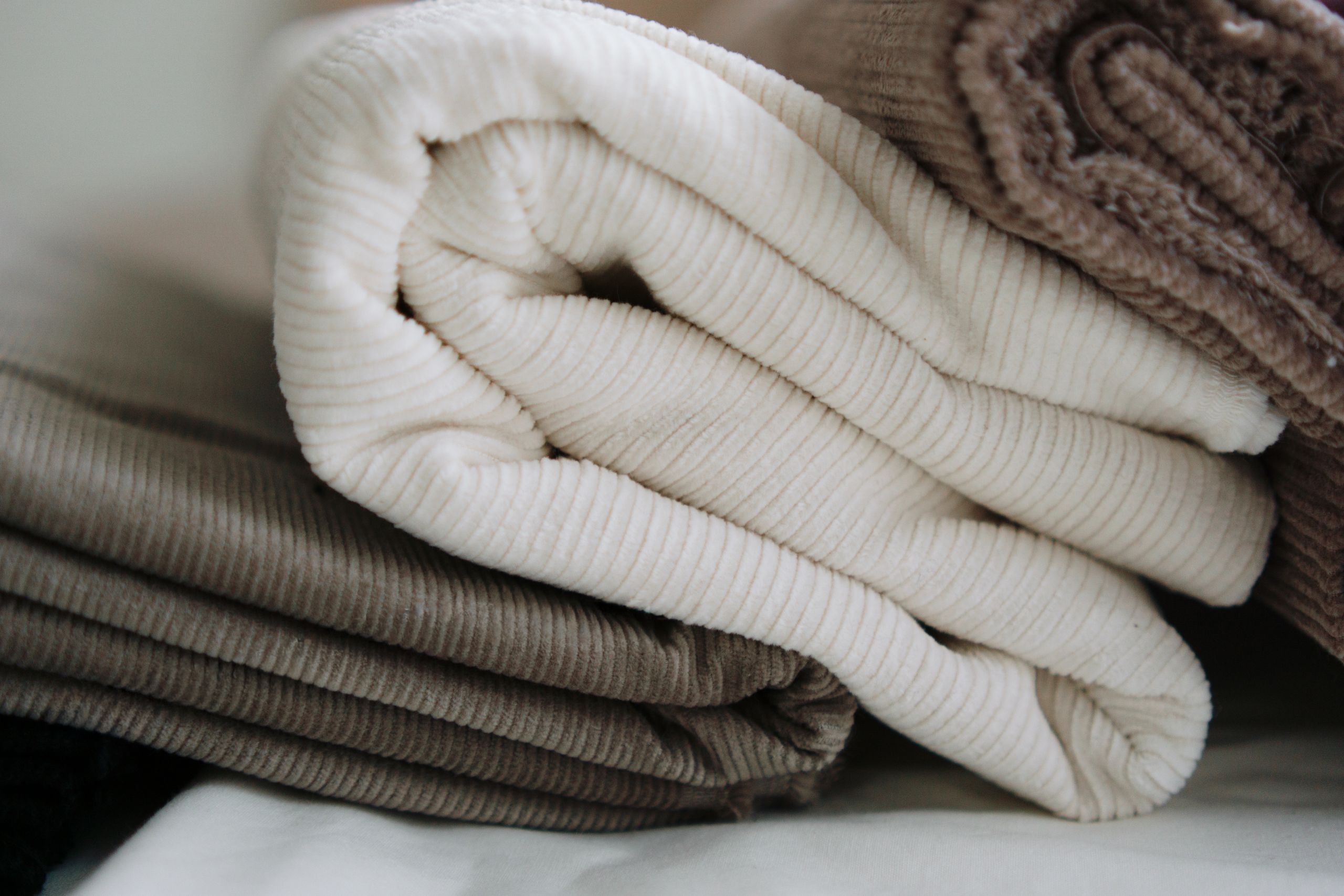
For fashion washes with intended variation, define the acceptable range. A centre standard alone does not show when the effect becomes too light, too dark, too streaked, too abraded, or too uneven. Boundary references are especially useful for garment dye, enzyme, acid-look, pigment, and vintage effects.
What happens to trims and decoration during washing?
Trims can change the garment or be changed by the garment. Metal components may mark fabric; drawcords may bleed; labels may curl; rib may contract differently; zippers may wave; and patches may stiffen adjacent areas. Prints and transfers can crack, lift, gloss, or lose opacity if their chemistry and cure are incompatible with the wash.
Include final trims and decoration on the approval sample wherever practical. If a component is missing, label the approval as conditional and require a targeted confirmation before bulk. Do not assume that an undecorated wash test proves the finished product.
What belongs in the buyer checklist?
- Style, colour, size, fabric lot, and sample revision
- Wash process name, controlled recipe code, and processing site
- Before/after measurements and method
- Target shade, surface effect, and acceptable boundaries
- Hand-feel description and comparison sample
- Seam, rib, pocket, hood, zipper, and drawcord findings
- Print, embroidery, patch, label, and hardware findings
- Known variation, recheck requirements, and decision owner
- Approved physical sample ID and written bulk release
How does wash approval connect to a sourcing plan?
Wash approval must be part of sampling, not an isolated final check. Review the streetwear clothing sampling process to position development, fit, size set, wash, and pre-production decisions. If pilling is a risk for brushed or knitted fabric, use the hoodie fabric pilling test guide as a separate performance control.
The ISO 5077 dimensional-change standard page is an authoritative starting point for method selection. ISO 15487 covers apparel appearance after washing and drying. Buyers should obtain and apply the relevant current standard through qualified testing resources.
Streetwear wash sample approval FAQ
Can a wash sample be approved from photos?
Photos can support remote review, but they do not reliably communicate hand feel, exact shade, surface friction, moisture, or all dimensional changes. A physical standard is preferable for critical effects.
Should the same recipe work for every colour?
Not necessarily. Dye, fibre, fabric construction, and target appearance may require colour-specific development. Each approved route should have its own identity.
When should measurements be taken?
Measure before processing and after the sample is dried and conditioned according to the agreed method. Avoid comparing a relaxed control with a damp or compressed washed garment.
How many samples define an acceptable shade?
A target plus approved boundary samples is useful for variable fashion effects. The number depends on risk and the buyer’s control plan.
Does a passed wash sample prove bulk consistency?
No. It establishes the target. Bulk requires recipe control, load monitoring, first-load approval, in-line checks, and final comparison.
What if a trim was unavailable on the sample?
Record the missing trim, assess its wash risk, and keep approval conditional until a representative component or finished sample is checked.
Conclusion: approve both effect and repeatability
Streetwear wash sample approval should capture the desired aesthetic and the production controls needed to repeat it. Link the physical sample to measurements, process identity, acceptable boundaries, trims, decoration, and written release. To prepare a wash-development brief for a men’s streetwear programme, contact Aimer Custom Lab through the website with the style, fabric, colour, target effect, size range, artwork, and required approval stages.
Image credits: featured image by Óscar Salgado and in-article image by engin akyurt, both on Unsplash and used under the Unsplash License. Sources: Óscar Salgado; engin akyurt.