Streetwear Clothing Sampling Process: Approval Guide
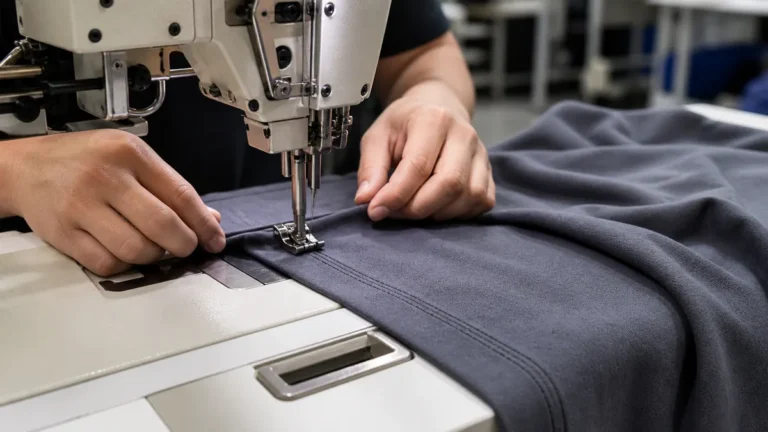
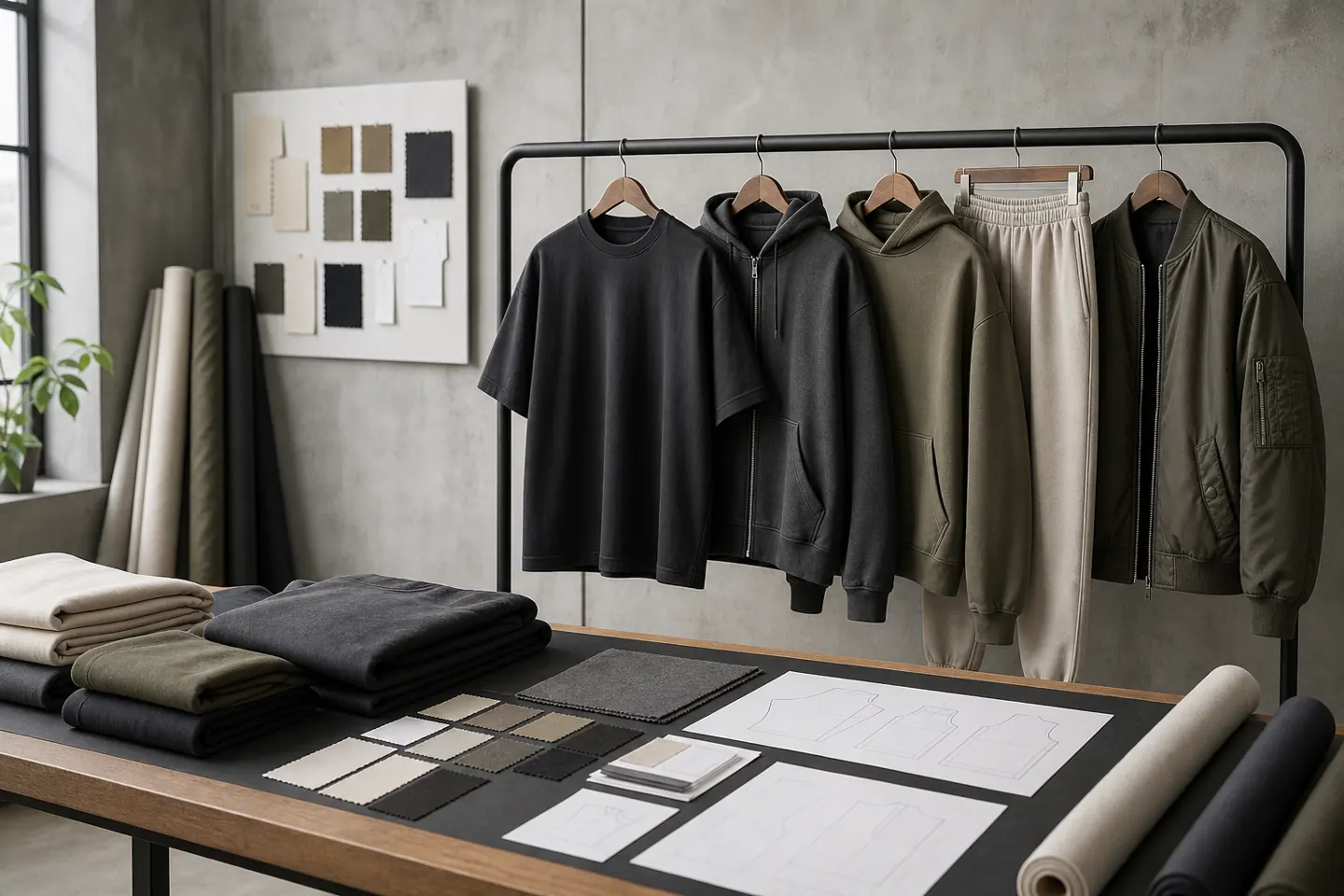
The streetwear clothing sampling process turns a design file into physical evidence before bulk production. Each sample round should answer a specific question: can the garment be constructed, does the silhouette fit correctly, does the artwork work on the chosen fabric, and is the final specification repeatable?
Quick answer: move through controlled approval gates rather than treating the first prototype as a finished product. Review the proto, fit, decoration strike-off and pre-production sample against one revision-controlled tech pack. Approve bulk only when fabric, measurements, construction, branding and packaging are documented together.
Why the Streetwear Clothing Sampling Process Needs Approval Gates
Streetwear depends on proportion and surface detail. A dropped shoulder can sit too low, a heavyweight hood can pull the neckline backward, or a large print can change how a panel drapes. These issues are difficult to judge from a flat sketch alone.
A sample is therefore not simply a sales photo or a miniature bulk order. It is a development tool. A useful review converts observations into measurable decisions that the pattern maker, sample room and production team can repeat.
The streetwear clothing sampling process works best when each approval closes one risk before the next stage begins. That keeps fit, decoration and production decisions from becoming one confusing revision round.
The Main Sample Stages
| Sample stage | Main question | Approval evidence |
|---|---|---|
| Prototype | Can the design and construction work in three dimensions? | Annotated photos, construction comments and initial measurements |
| Fit sample | Does the pattern deliver the intended silhouette and movement? | Fit-session notes, measured garment and revised specification |
| Strike-off or sew-out | Can the artwork, color and texture be reproduced? | Approved print, embroidery, patch or label sample |
| Size set | Does grading remain balanced across selected sizes? | Measurements and fit review for representative sizes |
| Pre-production sample | Do all approved elements work together? | Final fabric, trims, branding, workmanship and packing reference |
| Top-of-production sample | Does early bulk output match the approved standard? | Production-line sample checked before the full run continues |
Not every project uses every name or stage. The important point is to define what each sample must prove. Recent guides from BOMME Studio, TEG and Gibben Clothing use a similar progression from concept and fit confirmation to a production-ready reference.
Prepare the Tech Pack Before Sampling
The sample room needs a current source of truth. Start with a style code and revision date, then include front and back flats, a bill of materials, measurement chart, construction notes, artwork maps, label specifications and packing instructions. Mark any detail that remains open for factory recommendation.
Streetwear fit descriptions should be converted into measurements. “Boxy hoodie” is not enough; specify chest width, shoulder, length, sleeve, cuff, hood and hem. “Large back print” should become a physical width, height and placement from stable reference points.
Use one file name and revision system. When the factory receives three different measurement charts through email and messaging apps, the newest instruction may not be obvious.
Within the streetwear clothing sampling process, the approved tech pack should remain the only current reference for measurements, artwork and construction.
Review the Prototype for Design Logic
The prototype checks whether the garment concept is buildable. Substitute material may be acceptable when the goal is panel shape or construction, but the substitution must be recorded. Do not approve color, final drape or wash behavior from a material that will not be used in production.
Inspect the prototype inside and outside. Confirm panel lines, pocket access, hood shape, zipper operation, seam placement, label space and decoration clearances. Photograph each issue and point to the exact location. Separate design changes from workmanship defects so the next action is clear.
Run a Measurable Fit Session
A fit sample should be measured before the fitting. Use the same points-of-measurement method stated in the tech pack, and compare actual results with target specifications and tolerances. Then test the garment on the intended body type.
For oversized T-shirts and hoodies, review shoulder drop, chest balance, sleeve volume, body length and hem width as a system. Ask the model to raise the arms, sit, layer the garment and use pockets. A static front photo cannot reveal every balance problem.
- Record sample size, fabric reference and revision.
- Photograph front, back, side and key details.
- Measure every required point before commenting.
- Write the requested change and the reason.
- State whether the pattern, construction or material must change.
- Assign each comment an approval status.
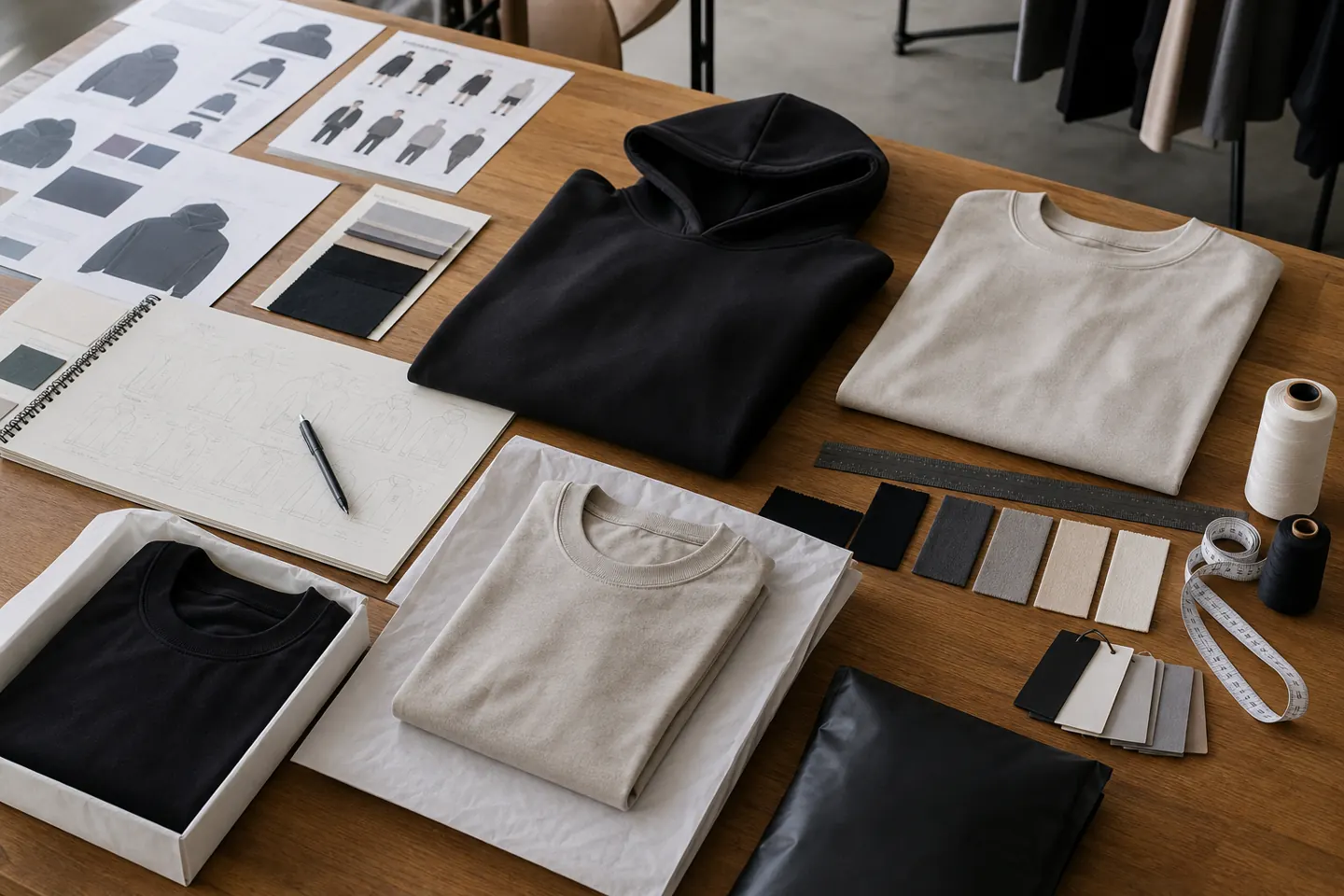
A written checkpoint after the fit review keeps the streetwear clothing sampling process measurable and prevents informal comments from being mistaken for approval.
Approve Artwork on the Actual Fabric
A screen-print strike-off, embroidery sew-out or patch sample isolates the decoration decision before it is added to a complete garment. Confirm physical dimensions, color, texture, edge quality and placement logic. Then test the approved method on the intended fabric color and finish.
Dark garments may alter printed opacity. Soft jersey may pucker under dense embroidery. A washed finish may change artwork appearance. These variables are why a digital mockup is not sufficient production approval.
Check a Representative Size Set
Grading is not simply adding the same amount to every measurement. Shoulder, body width, length, sleeve and opening dimensions must remain visually balanced across the range. Review representative small, middle and large sizes when the order and risk justify it.
Measure the size set against the grade rule, then compare silhouettes. Check that pockets remain usable, artwork placement stays proportional and the neckline is neither restricted in smaller sizes nor too open in larger sizes.
Build the Pre-Production Standard
The pre-production sample should combine the approved production fabric, color, trims, construction, measurements, artwork, labels and packaging. Treat it as the final reference for bulk, not another creative experiment.
This is the final decision gate in the streetwear clothing sampling process: every approved component must appear together in one physical production reference.
Create an approval pack containing:
- The final tech pack and measurement chart
- The approved pre-production garment
- Fabric and color references
- Artwork strike-offs or sew-outs
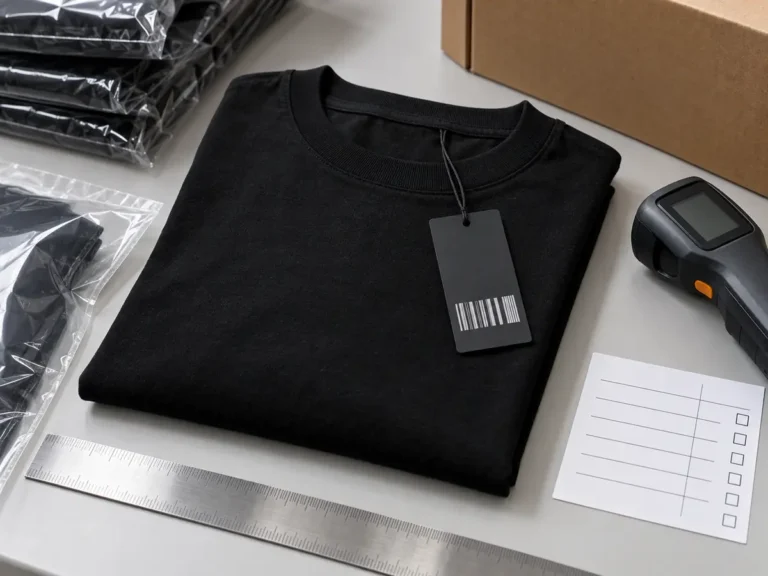
- Label, hangtag and packaging examples
- A signed comment log showing all issues closed
Aimer Custom Lab’s manufacturing capabilities include pattern making, sampling, cut and sew, printing, embroidery, labels and packaging. The site currently states sample orders from two pieces and an indicative three-to-seven-day sampling window; confirm timing for the specific style, material and decoration when requesting a quote.
Write Comments the Factory Can Execute
A strong comment identifies the problem, location, required result and measurement when applicable. “Sleeve looks wrong” is subjective. “Reduce sleeve opening by the stated amount, keep sleeve length unchanged and rebalance the underarm seam” is actionable.
Consolidate feedback into one dated document. Use annotated photographs and avoid contradictory messages. When a change affects another measurement or detail, ask the pattern maker to flag the consequence before the next sample.
Common Sampling Mistakes
- Approving a sample without measuring it
- Changing fabric and fit at the same time without recording both
- Reviewing artwork only from a screen mockup
- Sending comments through multiple untracked channels
- Skipping care testing before final approval
- Assuming one sample proves the complete size range
- Starting bulk while open comments remain
Frequently Asked Questions
Is the first sample normally ready for bulk?
It should be treated as a development sample unless every required production detail has been verified. Plan for measured revision rather than expecting perfection in the first round.
What is the difference between a fit sample and a pre-production sample?
A fit sample focuses on pattern, measurements and silhouette. A pre-production sample combines the final approved material, trims, construction, decoration, labels and packing standard.
Can a brand approve samples from photos?
Photos can support communication, but they cannot fully show hand feel, fit, exact color, internal workmanship or garment measurements. Physical review is safer for critical approvals.
What should be kept as the golden sample?
Keep the signed production-ready garment together with the final tech pack, fabric standard, artwork approvals and packaging reference. Both buyer and factory should know which revision controls bulk.
Turn Sampling into a Repeatable System
A disciplined streetwear clothing sampling process reduces ambiguity before it reaches bulk. Give each sample a defined purpose, measure what matters, record one set of comments and approve all components in a final production standard.
Review Aimer Custom Lab’s custom streetwear product range, then send your tech pack or product brief. Include the style, target fit, fabric direction, artwork, size range and expected quantity so the team can confirm the appropriate sample plan.