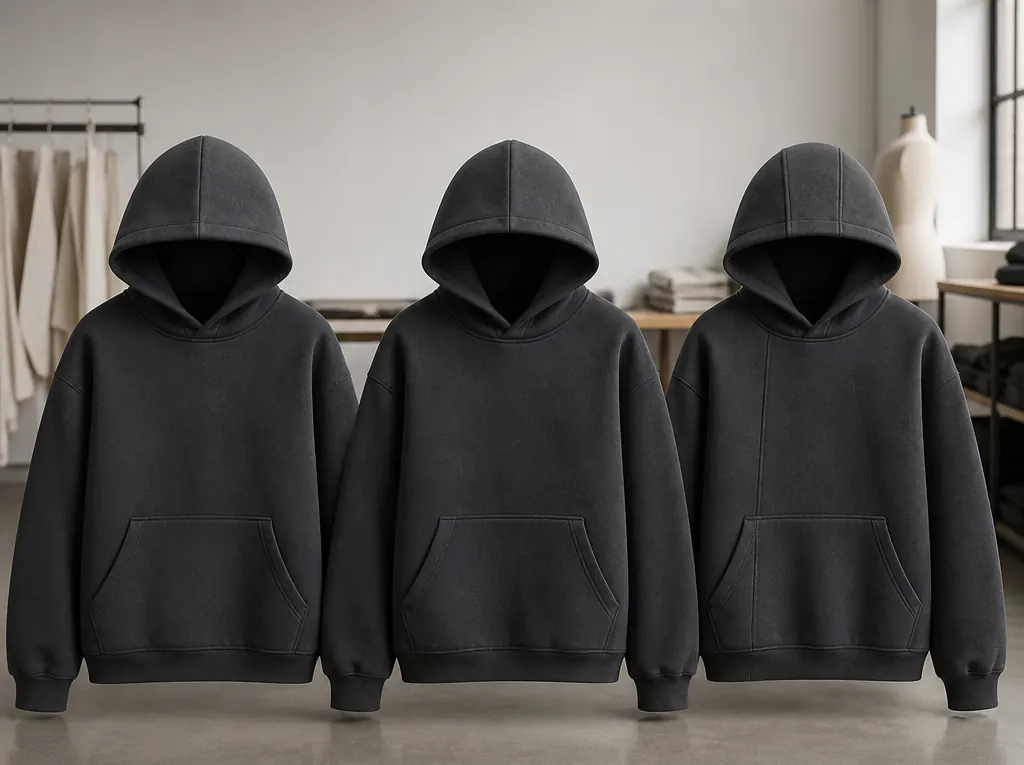
Hoodie Fabric Pilling Test Guide
hoodie fabric pilling is useful only when a buyer connects the laboratory result to a real garment, a controlled method, and a traceable approval sample. This guide explains what the property means, how to write a practical request, and how to avoid a technically impressive number that does not solve the wearer’s problem.
Quick Answer: What Should Buyers Know?
Hoodie fabric pilling is the formation of small fiber balls or related surface changes caused by rubbing during wear and care. Buyers should state the fabric face, test method, cycle or exposure level, rating scale, conditioning, wash state, and visual reference. Compare only results from the same method because Martindale and random-tumble procedures create different actions.
Decision rule: compare like with like, keep the test conditions with the result, and approve the finished construction rather than relying on an isolated supplier claim.
What Does hoodie fabric pilling Mean?
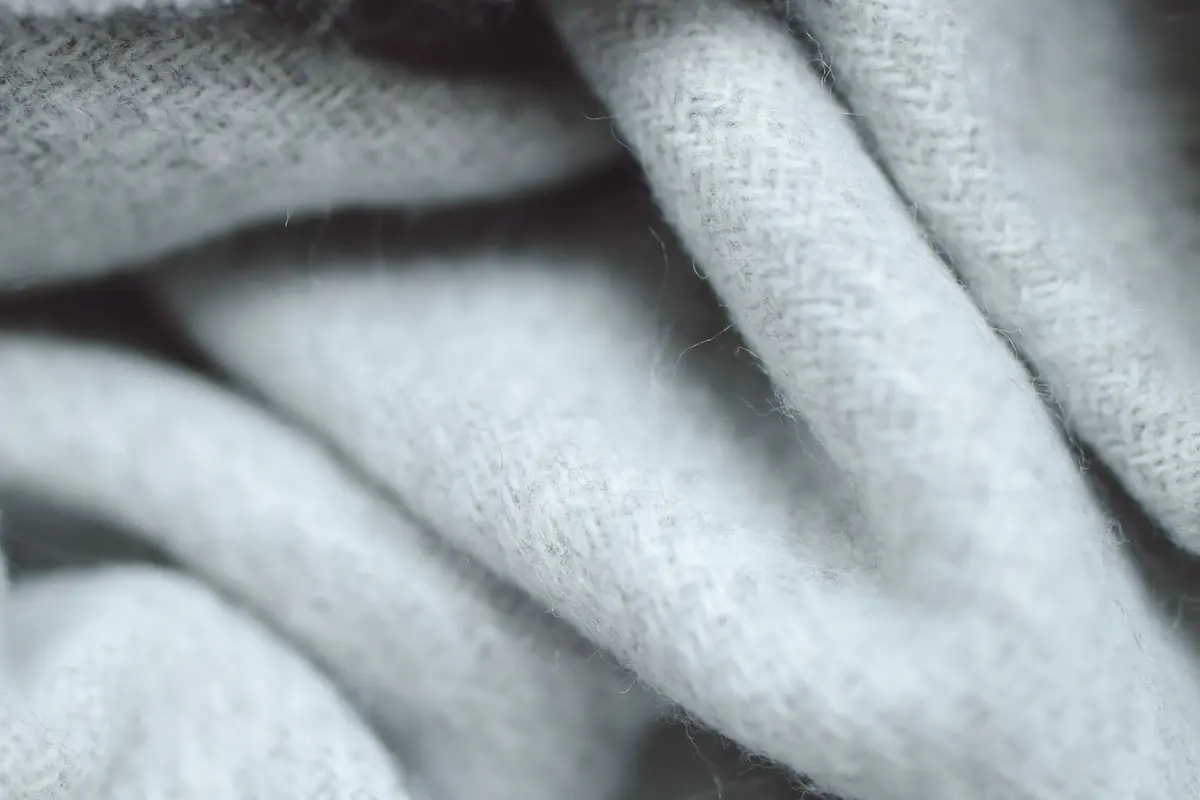
Pills form when loose fibers migrate to the surface, entangle through abrasion, and remain anchored by stronger fibers. Fuzzing, matting, glazing, color change, and abrasion may accompany pilling but are not identical defects. Fiber blend, yarn twist, knit structure, raising, singeing, finishing, laundering, and wearer friction influence the result.
For sourcing teams, the useful entity is not “performance” in the abstract. It is a named material and construction, tested by a named procedure, in a named condition, for a defined garment use. That chain of evidence makes a report easier for a club, brand, laboratory, and factory to interpret consistently.
Why Does hoodie fabric pilling Matter in Product Development?
A heavyweight brushed hoodie may look luxurious at approval yet develop pills at the underarm, pocket edge, cuff, or backpack-contact area. Hoodie fabric pilling evaluation gives a private-label buyer a repeatable baseline for comparing fleece, French terry, jersey, and rib before committing to color and finishing. It should complement, not replace, wash and wearer trials.
The result should support a decision: approve, reject, request a controlled trial, change the intended use, or narrow the acceptable range. It should never become a decorative data point. Keep the raw report, specimen identification, photographs, and reference garment together so that later production lots can be compared with the same evidence.
Which Standard or Test Method Should Be Used?
Short answer: select the method that matches the material, property, and intended decision, then write its current edition and the requested procedure into the brief.
ISO 12945-2:2020 specifies a modified Martindale method for determining fabric propensity to surface fuzzing, pilling, or matting. ASTM D3512/D3512M uses a random-tumble apparatus and warns about interlaboratory precision limitations. Because actions and rating procedures differ, method-specific results should not be converted into a universal grade.
Consult the official ISO 12945-2 modified Martindale method and the testing laboratory for the full controlled procedure. This article summarizes buyer decisions and does not reproduce or replace a paid standard.
What Should a Buyer Put in the Test Request?
| Item | Requirement or evidence | Buyer interpretation |
|---|---|---|
| Approval item | What to specify | Why it matters |
| Method and edition | ISO 12945-2, ASTM D3512 or another agreed method | Mechanical actions are not equivalent |
| Fabric face | Outer face, brushed back, rib or both | Surfaces have different fiber exposure |
| Exposure level | Cycles or test duration and interim ratings | A final grade can hide early deterioration |
| Rating setup | Scale, lighting and reference photographs | Visual grades require controlled assessment |
| Specimen state | As received, washed, finished and color | Care and finishing change loose-fiber behavior |
| Acceptance rule | Grade at each checkpoint plus appearance limits | Prevents selective reporting of the best stage |
A purchase specification should also name the garment, season, material code, color, size, supplier lot, development stage, specimen count, report units, approval authority, and retest rule. If one of those details changes, decide whether the earlier result remains representative rather than copying it automatically to a new purchase order.
How Should hoodie fabric pilling Be Evaluated Step by Step?
- 1. Segment the hoodie fabrics. Separate shell, hood lining, rib, pocket, overlays, and brushed inner surfaces by material code.
- 2. Choose the wearer risk. Map backpack zones, underarm, side body, cuffs, pocket edges, and garment-on-garment friction.
- 3. Fix one method. State apparatus, abrasive or companion fabric, exposure levels, conditioning, rating scale, and specimen count.
- 4. Add washed conditions. Evaluate the approved care route because laundering can remove loose fibers or create additional fuzz.
- 5. Use trained visual grading. Compare under controlled lighting, include photographs, and retain physical references where practical.
- 6. Investigate construction causes. Connect results to fiber blend, yarn, knit, raising, finishing, and lot traceability before changing chemistry.
Use a pre-production meeting to confirm ownership. The brand defines the performance intent and acceptance logic; the supplier freezes materials and process; the laboratory applies the agreed method; and quality control verifies that bulk goods match the approved identity. This division reduces conflicting instructions and untraceable last-minute fixes.
How Do You Set a Sensible Acceptance Limit?
Start from a proven reference, not a generic internet number. Test a garment or fabric that performs satisfactorily in the intended market, record its construction, and use the result to establish a preliminary range. Then test development variants using the identical method and ask whether any numerical improvement creates a trade-off in hand feel, appearance, durability, fit, cost, or manufacturability.
Use individual readings as well as the average. A mean can pass while one specimen reveals local instability. Define what happens at a borderline result: repeat testing from retained material, inspect production records, test a second lot, or hold shipment. The escalation rule should be agreed before the first failure, when commercial pressure is lower.
What Common hoodie fabric pilling Mistakes Create Misleading Results?
- Comparing grades across methods: A Martindale grade and random-tumble grade are not automatically interchangeable.
- Testing only one color: Dyeing and finishing routes can change surface behavior and visual contrast.
- Ignoring fuzzing: A garment can look worn through halo fuzz even when discrete pills are limited.
- Rating under inconsistent light: Shade and contrast change how pills and matting appear.
- Overpromising from a laboratory grade: Actual wear includes body movement, bags, seats, laundering, and mixed surfaces.
Another common mistake is treating a standard as a product specification. A standard usually explains how to measure a property; it does not know the buyer’s climate, wearer, fit, price position, care label, or risk tolerance. A usable brief converts the method into a product-specific requirement with transparent limitations.
How Should hoodie fabric pilling Sampling and Bulk Quality Control Connect?
During sampling, attach every result to the exact bill-of-materials revision and retain a signed reference. At pre-production, verify that fabric, trims, thread, decoration, washing, and sewing settings match that reference. In bulk, sample across rolls, colors, sizes, machines, and production times according to the buyer’s inspection plan. Do not select only the cleanest first-off piece.
When a failure appears, quarantine affected material, describe the failure mode, and make one traceable corrective trial. Recutting, refinishing, changing machine settings, or switching a component without a retest can move the problem to another property. Record both the successful and unsuccessful trials so future teams do not repeat the same experiment.
Buyer Checklist Before Approval
- Is the focus property tied to a defined garment use and wearer scenario?
- Are method, edition, conditions, units, specimen state, and count written clearly?
- Does the report identify the exact material, color, lot, finish, and construction?
- Were production-intent decoration, washing, pressing, or sewing included where relevant?
- Are individual results, photographs, failure modes, and averages available?
- Has the team checked appearance, fit, comfort, durability, and manufacturability trade-offs?
- Is an approved physical reference retained and linked to the tech pack?
- Does the purchase order define retest, escalation, and corrective-action rules?
Frequently Asked Questions
Is grade 5 always realistic for hoodie fabric?
Grade 5 means no visible change on many scales, but the appropriate target depends on method, fabric character, exposure, and intended use.
Which side of brushed fleece should be tested?
Test the visible outer face and consider the brushed inner face if shedding, matting, or garment contact is a concern.
Can anti-pilling finish solve every problem?
No. Fiber selection, yarn construction, knit, raising, singeing, and laundering can be equally important, and finishes may change hand feel.
Why do black fabrics sometimes look worse?
High contrast can make light-colored fuzz or pills more visible even when the physical amount is similar.
Should a buyer retain tested specimens?
Yes. Photos help, but retained approved and failed specimens provide a stronger visual reference for disputes and future lots.
Conclusion: Turn the Result into a Sourcing Decision
Hoodie fabric pilling control depends on a fixed method, a clearly identified surface, consistent visual grading, and realistic wear context. Compare like with like, include washed samples, and investigate fiber-to-finish causes before accepting a superficial fix. Share the GSM, blend, knit, brushing, color, care label, and target appearance during sampling.
Explore streetwear product development, fabric and production capabilities, request a hoodie sample review. For an accurate quotation or technical recommendation, provide the corresponding website with the product sketch, quantities, market, material preference, decoration, size range, care expectations, and reference sample. Final specifications and commercial terms should be confirmed for the individual project.