
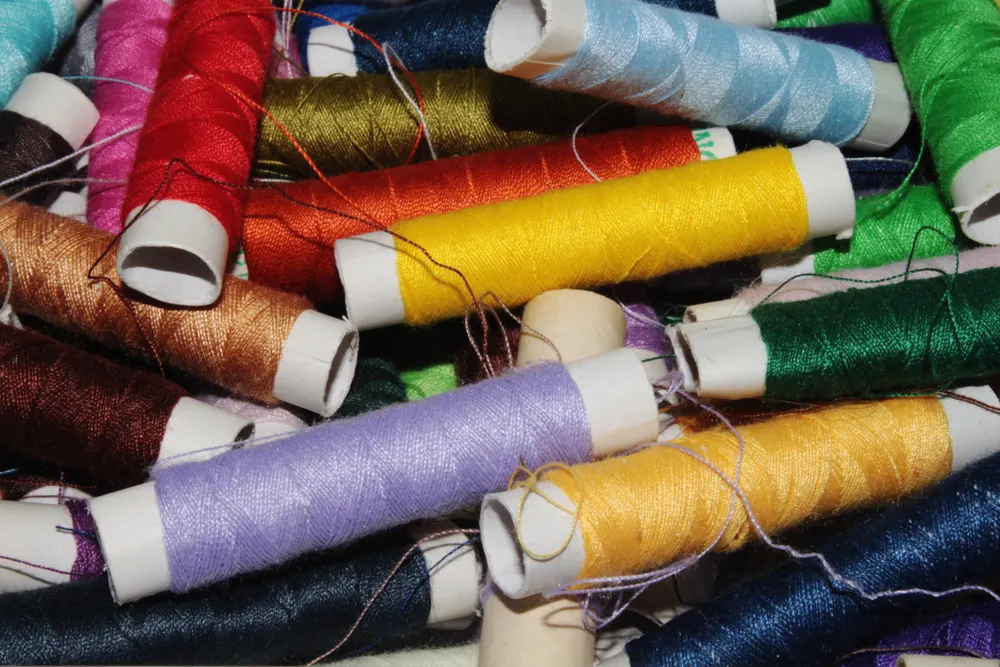
Embroidery Thread Colorfastness Buyer Guide
Embroidery thread colorfastness determines whether a stitched logo or artwork maintains its shade and avoids staining nearby fabric during care and use. For private-label streetwear, the risk depends on the thread, garment substrate, color combination, laundering method, finishing process and test conditions—not on a color card or supplier name alone.
Quick Answer: Approve embroidery thread colorfastness by testing the exact thread shade on the production fabric after the intended garment wash and care route. Specify the applicable laundering, rubbing, perspiration or light methods, assess both color change and staining, record preparation and rating scales, and retain stitched panels plus thread-lot traceability for bulk control.
What is embroidery thread colorfastness?
Embroidery thread colorfastness is the resistance of a thread color to change or transfer when exposed to a defined influence such as laundering, water, rubbing, perspiration, light or dry cleaning. Each exposure answers a different question, so a single “fast color” claim is incomplete.
A result normally belongs to the tested thread shade, substrate, preparation and method. Bright red thread on white cotton fleece creates a different staining risk from black thread on dark polyester. Metallic, viscose, polyester and other thread constructions can also behave differently under finishing and care.
Why is thread shade approval not enough?
A physical shade approval confirms appearance under the agreed viewing conditions before use. It does not show whether the thread will bleed, fade, migrate or abrade after treatment. Embroidery also concentrates many stitches in a small area, creating local friction and trapping water or chemistry during finishing.
Common streetwear risks include:
- dark thread staining a light garment during washing;
- shade change after enzyme, pigment or garment-dye processing;
- crocking from dense satin stitches onto adjacent light fabric;
- perspiration exposure around chest, back or cap embroidery;
- uneven fading between thread shades in a multicolor design;
- heat damage or color shift during pressing and curing;
- unapproved thread-lot substitution after sample approval.
Which colorfastness tests should buyers consider?
Select tests from the product’s care label, destination, color contrast and actual exposure. A laboratory or qualified testing specialist should confirm the applicable method and option.
| Exposure | What it evaluates | Streetwear example | Specification detail |
|---|---|---|---|
| Laundering | Color change and staining during a defined wash simulation | Embroidered hoodie or T-shirt | Method, option, detergent, temperature, adjacent fabric and rating |
| Rubbing | Transfer to a standard cloth under dry or wet rubbing | Dense dark embroidery near light panels | Dry/wet condition, cycles and rating scale |
| Perspiration | Color behavior in acidic or alkaline perspiration conditions | Chest, back or cap decoration | Solution, pressure, time and staining evaluation |
| Water | Change or staining during water exposure | Outdoor and travel garments | Specimen assembly and evaluation method |
| Light | Resistance to fading under a defined artificial-light exposure | Outdoor-facing embroidery | Method, exposure and comparison scale |
| Product-specific finish | Response to the actual factory process | Garment wash, dye, cure or spray | Approved recipe and stitched-panel comparison |
ISO 105-C06 specifies methods for determining the resistance of textile color to domestic or commercial laundering using a reference detergent. AATCC TM61 is an accelerated laundering method intended for textiles expected to withstand frequent laundering. These methods have defined conditions and should not be treated as interchangeable without review.
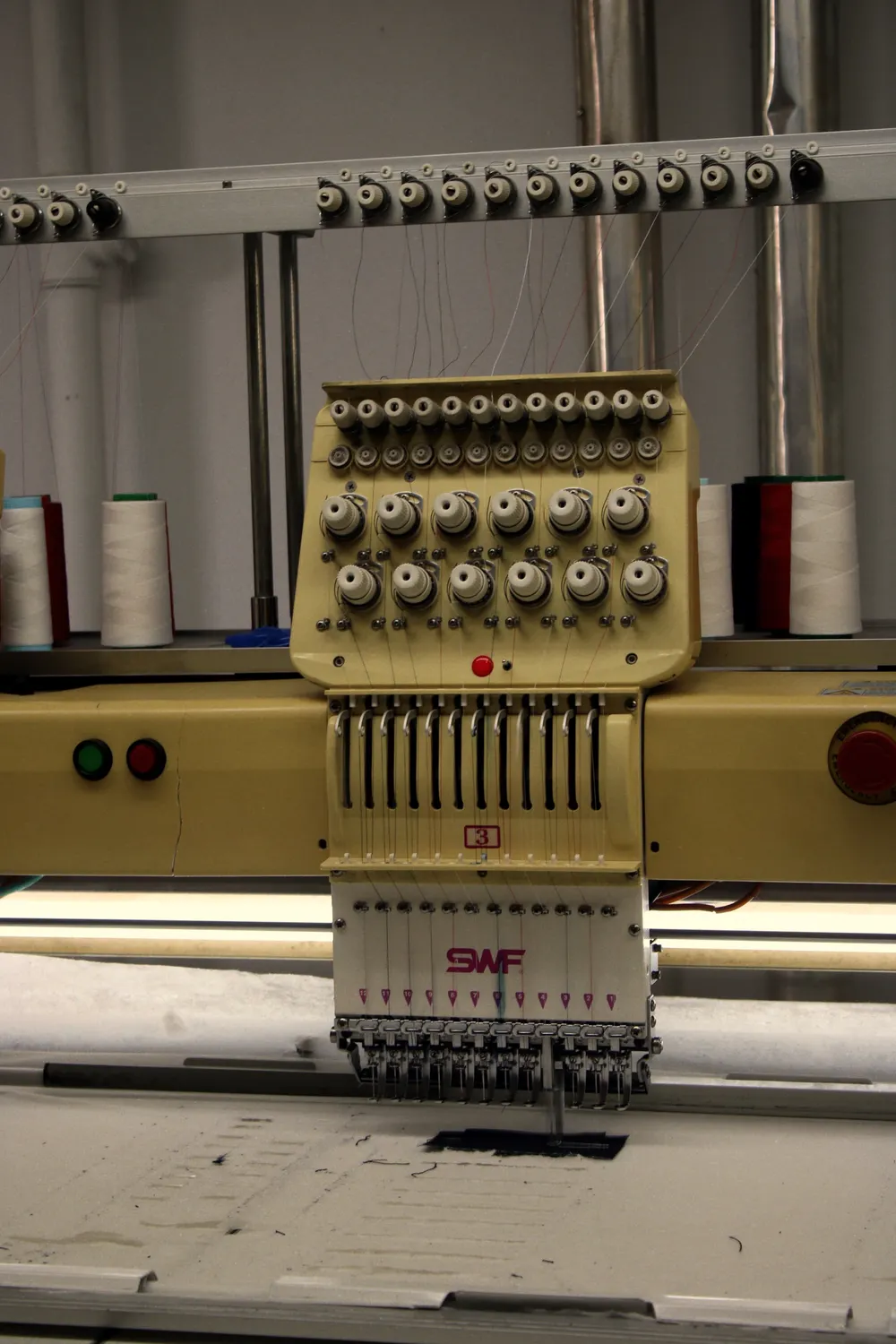
How should buyers build an embroidery test matrix?
The embroidery thread colorfastness matrix should focus on the highest-risk combinations rather than testing a random single shade.
- List every thread shade. Record supplier, product line, construction, size and lot.
- List every garment substrate. Include color, fiber, finish and fabric code.
- Rank contrast risk. Prioritize dark or saturated thread on pale fabric and multicolor designs with light adjoining areas.
- Map finishing. Identify garment dye, wash, enzyme, heat cure, pressing or coating after embroidery.
- Map consumer care. Use the intended label and destination-market requirements.
- Select tests and options. Record method editions, specimen preparation, adjacent fabrics, conditions and rating rules.
- Create stitched panels. Use production density, stabilizer, needle and underlay so the sample reflects the real design.
- Retain controls. Keep untreated and treated specimens plus thread cones and artwork version.
Should thread be tested alone or as embroidery?
Supplier data for thread alone helps screen materials, but a stitched panel reveals interactions with the garment. Dense stitches, stabilizer, trapped chemistry, fabric color and post-processing can change the practical result. Buyers should use both forms when risk warrants.
A thread technical sheet may provide useful declared fastness information. For example, a Madeira embroidery-thread technical data sheet lists ratings for washing, water, rubbing and dry cleaning under named methods, while noting that the data are guidelines rather than warranted characteristics. Treat any supplier sheet as product-specific evidence and verify relevance to the exact shade, lot and garment process.
The final embroidery thread colorfastness approval should be tied to the sewn product, especially when the garment undergoes processing after embroidery.
How should laundering results be reviewed?
Review color change of the embroidery and staining of the adjacent material separately. A thread may retain its own shade but still stain a white or pale fabric. The report should identify the adjacent fabric, rating scale and any surface change that affects evaluation.
Compare method options carefully. Temperature, detergent, bleaching conditions, abrasion and duration can change severity. Do not describe one accelerated cycle as a universal number of home washes unless the method’s scope and selected option support that interpretation.
Photograph specimens under controlled lighting and retain the originals. Screen images are useful records but do not replace visual assessment with the specified scales.
How do garment washes affect embroidered streetwear?
Garment-wash and dye processes can expose embroidery to conditions not represented by a normal care test. The wash recipe may include abrasion, enzymes, oxidizing or reducing chemistry, heat and repeated drying. Stabilizers, backing and dense areas can retain liquor differently from open fabric.
Run a development panel through the exact proposed process. Inspect shade, staining, thread damage, puckering, backing exposure and artwork definition. If the recipe changes, repeat the relevant validation before bulk release.
For a vintage or distressed design, some shade change may be intentional. The embroidery thread colorfastness specification should distinguish an approved aesthetic effect from uncontrolled bleeding or inconsistent fading.
How should bulk thread color be controlled?
- match thread supplier, product, size and shade code to approval;
- record dye lot or traceable batch information;
- compare cones and stitched samples under the agreed light source;
- keep high-contrast threads segregated from unapproved substitutions;
- verify production panels after the actual wash or finishing process;
- inspect color change, staining and physical thread damage;
- retain untreated and processed specimens from representative lots;
- define who may approve a shade or product change.
A color-card match does not authorize a different thread product. Two threads with similar initial shade can have different construction, luster, friction and fastness behavior.
What should appear in the purchase specification?
Record the artwork, thread product and shades, fabric codes, stitch density, underlay, backing, finishing route, care label, required test methods, report fields, ratings and sampling plan. Define whether the decision applies to each color or to a risk-selected matrix.
Do not state unsupported universal minimums. The correct acceptance rule depends on buyer requirements, destination, product use and the selected method. If a retailer or regulatory program applies, cite its current requirement and have a competent laboratory confirm the plan.
Embroidery thread colorfastness FAQ
Is polyester thread always more colorfast than viscose?
Fiber type influences behavior, but product construction, dye, shade, finish and exposure also matter. Test the exact product and color under the intended conditions.
Does one passing shade cover the whole embroidery palette?
No automatic extension should be assumed. Use a documented risk rationale and test critical shades, especially dark or saturated colors next to pale fabric.
Can supplier certificates replace garment testing?
They can support material approval, but stitched-panel and finishing trials reveal interactions that a thread-only report may not cover.
Why does color transfer appear only after garment washing?
The production recipe may be more severe or chemically different from the initial sample condition. Review the actual process, specimen identity and thread lot.
Should embroidery be completed before garment dyeing?
The correct sequence depends on the intended appearance and thread compatibility. Validate the full process because dye uptake and staining may differ by thread.
When should embroidery thread be retested?
Review changes to supplier, product line, shade, lot, fabric, finish, artwork density, wash recipe or care instruction, and retest when they can affect performance.
Conclusion: test the stitched color combination
Reliable embroidery thread colorfastness comes from testing the exact shade, substrate, stitch design and finishing route under clearly named methods. Separate color change from staining, retain physical evidence and control thread lots through bulk production.
Explore Aimer Custom Lab custom streetwear products, review our embroidery and manufacturing capabilities, or contact us with your artwork, color palette and wash plan. Final methods and ratings should be confirmed for the selected materials and target market.


