Streetwear Sewing Thread Specification Guide
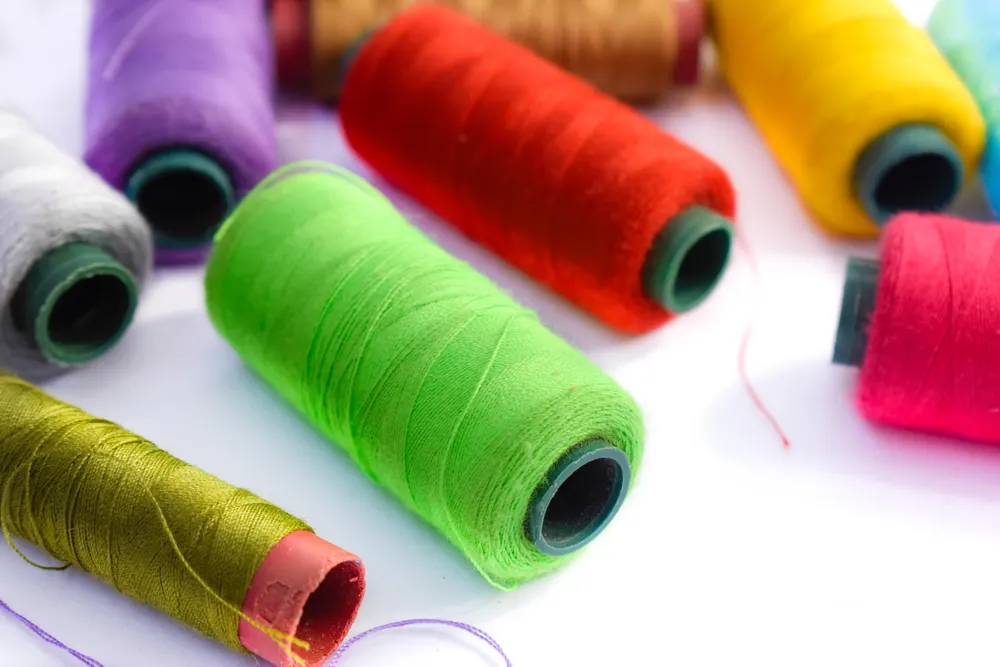
A streetwear sewing thread specification converts a vague request for “strong thread” into a controlled choice for each seam and decorative stitch. The specification should connect thread construction, linear density, strength, elongation, shrinkage, color, needle compatibility and post-processing to the actual fabric and stitch class used in the garment.
Quick Answer: Build a streetwear sewing thread specification by mapping every seam, topstitch and bartack; defining the thread fiber, construction, ticket or Tex reference, color and performance tests; sewing production-representative samples; and approving seam appearance after washing or finishing. Validate the complete thread-needle-stitch-fabric system instead of selecting thread from garment weight alone.
What is a streetwear sewing thread specification?
A streetwear sewing thread specification is the technical record that tells sourcing, sampling and production teams which thread may be used at each operation and how it will be verified. It covers more than color. The record may include thread type, construction, size system, strength and elongation, twist, shrinkage, finish, colorfastness, cone identity and approved supplier reference.
Streetwear often mixes structural seams with visible topstitching, embroidery, bartacks and coverstitch. One thread may not be ideal for every operation. A heavyweight hoodie shoulder seam, an oversized T-shirt hem and a decorative jacket topstitch place different demands on sewability and appearance.
Why does thread selection affect garment quality?
Sewing thread passes repeatedly through guides, tension devices, the needle eye and the garment at machine speed. It must form balanced stitches without excessive breakage, damage or distortion. In wear, it becomes part of a seam that experiences stretch, abrasion, laundering and finishing.
Poor selection can cause skipped stitches, seam grin, puckering, broken topstitching, needle heat damage, dye migration or a mismatch between seam extension and knit fabric. Overspecification can create unnecessary bulk or stiffness. The goal is not the strongest thread in isolation; it is an appropriate thread that produces the approved seam on the chosen material.
Which properties belong in the thread specification?
| Property | Why it matters | How to record it | Verification point |
|---|---|---|---|
| Fiber and construction | Influence strength, elongation, abrasion, appearance and heat response | Supplier product type and verified composition | Certificate, cone label and incoming check |
| Linear density or size | Affects seam bulk, stitch definition and needle choice | Tex, ticket or another stated system with no ambiguous conversion | Approved data and sample seam |
| Breaking force and elongation | Support seam load and extension | Method, condition, result and tolerance | Laboratory or supplier report linked to lot |
| Twist and balance | Affect loop formation and sewability | Construction and test requirement when critical | Supplier specification and machine trial |
| Shrinkage | Can create puckering after heat or washing | Condition, exposure and permitted change | Thread and sewn-panel trials |
| Color and fastness | Control appearance, staining and contrast | Shade reference, light source and applicable tests | Physical approval and care test |
| Finish and lubrication | Influence friction and machine performance | Approved thread product, not an unverified substitute | Production-line sewability record |
ASTM D204 contains test methods for physical properties of sewing threads, including yarn number, strength and elongation, twist, shrinkage and several colorfastness properties. It also notes that these physical tests do not address every property important to end-use performance. ISO 2062 describes single-end breaking force and elongation testing for yarns from packages using constant-rate-of-extension equipment. The method and specimen identity must accompany any result.
How do you select thread size for streetwear?
Start with seam function and desired appearance, then test a suitable thread size with the intended needle, stitch class, density and material stack. Visible topstitch may intentionally use a heavier thread than an internal overedge seam, but the construction must still feed and balance correctly.
Do not rely on a ticket number without stating the sizing system. Thread size designations can be confusing across suppliers and regions. The streetwear sewing thread specification should record the supplier reference and a recognized linear-density value or unambiguous equivalent.
Check the needle eye, point, blade size and machine hook or looper. A thread that is too large for the needle path may abrade or break, while an unnecessarily large needle can damage fine knit or leave visible holes. A successful sample documents the complete setup.
How should each seam operation be mapped?
Create a seam schedule that lists every operation: shoulder, side seam, sleeve set, neckline, hood join, pocket, cuff, hem, zipper attachment, label, bartack and decorative topstitch. For each row, state seam class, stitch class, stitch density, needle and looper threads, material plies and quality checkpoints.
Coats explains that sewing thread is engineered to pass through a sewing machine and form efficient stitches without breaking or distortion. Its technical guidance also treats sewability and seam quality as system decisions. Use such guidance to structure trials, then confirm the selected product on your own garment.
The map prevents silent substitutions. If a factory changes a looper thread, topstitch size or color because the requirement is missing, the appearance and seam performance can change even when the garment still looks acceptable at first inspection.
How should thread be tested before approval?
- Review supplier data. Confirm product identity, construction, size, color and applicable physical properties.
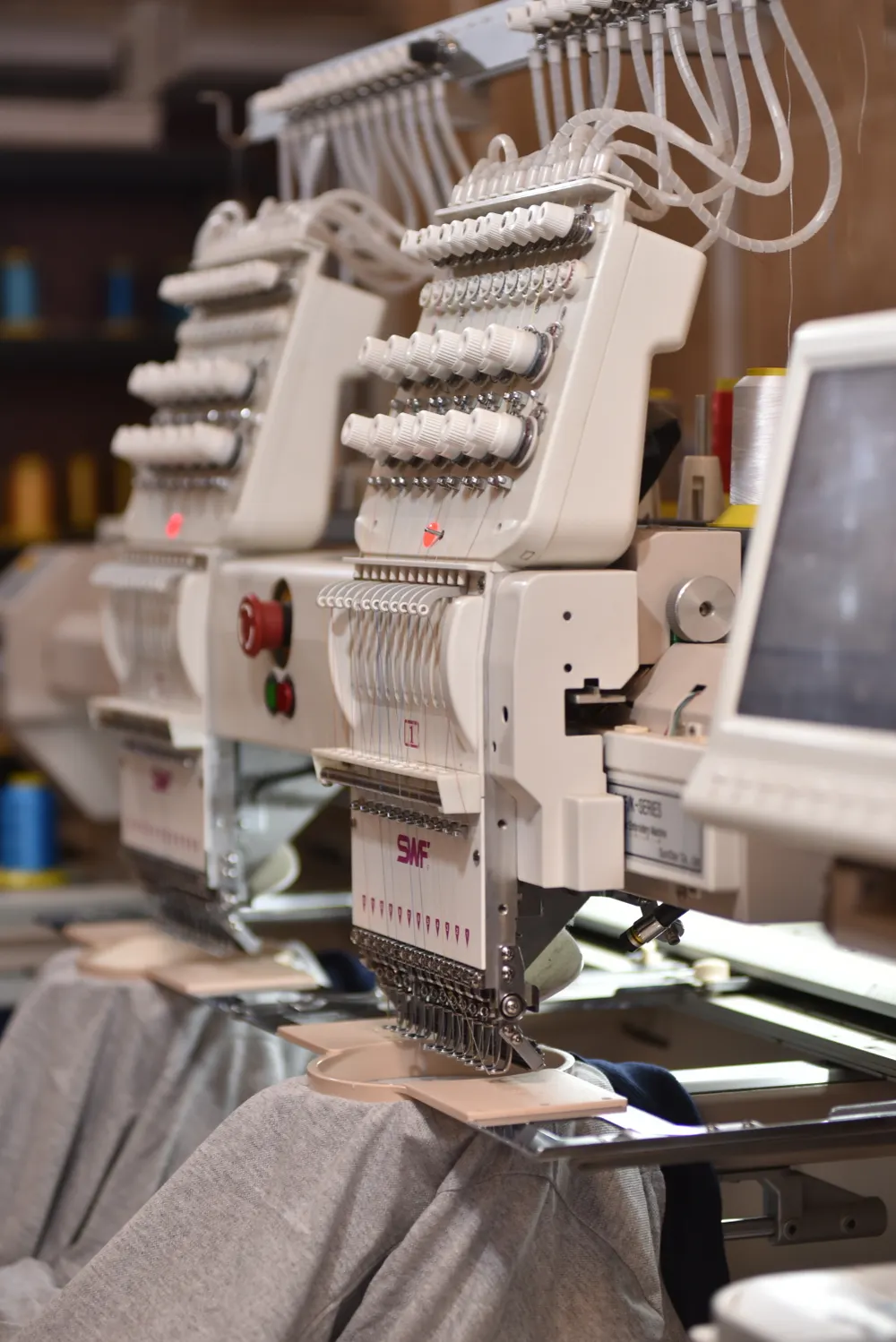
- Make machine trials. Sew the actual fabric stacks at production-representative speed and settings.
- Check sewability. Record breaks, skipped stitches, fraying, tension adjustments and needle heating signs.
- Inspect seam balance. Review the face and underside, extensibility, puckering, grin and stitch formation.
- Apply post-processing. Wash, garment-dye, enzyme-wash, heat-cure or otherwise finish the sample as the product requires.
- Test the seam. Use the buyer’s seam strength, elongation, appearance and durability checks where applicable.
- Approve color. Compare under the stated light and assess staining or migration after care.
- Retain a reference. Store the cone label, sewn panels, results, machine setup and approval date.
How do garment washing and dyeing change the decision?
Streetwear finishing can expose thread to heat, moisture, chemicals, abrasion and dimensional change. A thread that sews well before finishing may shrink differently from the fabric, lose strength, change shade or resist dye in a way that alters the intended look.
For garment-dyed products, decide whether the thread should take up dye, remain contrasting or be protected by a specific construction. For washed hoodies and T-shirts, evaluate puckering, seam roping and shade after the actual development recipe. The streetwear sewing thread specification should name the process version tested.
When a finish changes, repeat the relevant trial. A new enzyme, resin, cure condition or wash time can change the seam even if the base thread product stays the same.
How should bulk thread be controlled?
- match supplier, product code, size and color to the approved record;
- check cone labels and lot traceability before line issue;
- keep needle and looper threads separated when different products are specified;
- record machine setup and approved tension range by operation;
- monitor breaks, skipped stitches and repairs during production;
- inspect seam appearance after the required finishing process;
- segregate unapproved substitutions and mixed dye lots;
- retain thread and sewn samples from representative bulk lots.
The streetwear sewing thread specification should also define who can approve a substitution. Availability pressure is not a technical approval. A proposed alternative must be compared for size, construction, color, performance and sewability before release.
How can buyers estimate thread consumption?
Consumption depends on stitch type, seam type, seam length, material thickness, number of layers and stitch density. Therefore, a universal amount for every hoodie or T-shirt is unreliable. Measure actual consumption from a representative sample or calculate it from the approved seam schedule.
Coats’ thread consumption guide describes actual measurement and calculation with stitch consumption ratios, while noting the effect of garment construction and factory conditions. Use an estimate for planning, then reconcile it with production data rather than copying a generic category figure.
Streetwear sewing thread specification FAQ
Can one thread be used for every seam?
Sometimes, but do not assume it. Visible topstitch, overedge, coverstitch and bartacks may require different size, construction or color decisions.
Is breaking strength enough to approve thread?
No. Elongation, sewability, shrinkage, colorfastness, abrasion, seam balance and finishing compatibility may also matter.
Should thread color match the fabric exactly?
That depends on the design. Approve a physical shade under a defined light and decide whether contrast, tonal variation or post-dye behavior is intended.
Why does a thread break only at production speed?
Higher speed can increase friction and needle heat. Review thread path, tension, needle, machine condition, lubrication, seam stack and product suitability.
How is embroidery thread different from construction thread?
Embroidery prioritizes decorative appearance and machine embroidery performance; construction thread must meet the structural and sewability needs of seams. Specify them separately.
When must a thread substitution be retested?
Review any change in supplier, product, size, fiber, construction, finish, color or lot when it can affect appearance, sewing or end use.
Conclusion: specify the whole sewing system
A usable streetwear sewing thread specification connects material data to seam design, machine setup, finishing and bulk control. Approve the thread within the complete stitch and fabric system, and retain evidence for every authorized product and substitution.
Browse Aimer Custom Lab custom streetwear products, review our OEM/ODM capabilities, or contact us with your seam schedule and finishing plan. Final thread sizes and test limits should be confirmed on the selected garment materials.