Streetwear Zipper Failure Diagnosis Guide
streetwear zipper failure diagnosis is useful only when a buyer connects the laboratory result to a real garment, a controlled method, and a traceable approval sample. This guide explains what the property means, how to write a practical request, and how to avoid a technically impressive number that does not solve the wearer’s problem.
Quick Answer: What Should Buyers Know?
Streetwear zipper failure diagnosis is a group of performance checks for the chain, slider, stops, puller, tape, and attachment seam rather than one universal number. Buyers should identify the end use, zipper type, size, material, finish, test method, specimen conditioning, and required failure mode, then verify operability and appearance on a washed production-intent garment.
Decision rule: compare like with like, keep the test conditions with the result, and approve the finished construction rather than relying on an isolated supplier claim.
What Does streetwear zipper failure diagnosis Mean?
A zipper is a closure system made from interlocking elements, tape, a slider, stops, and often a puller or separating box. Strength tests load individual functions such as chain crosswise strength, stop retention, slider lock, puller attachment, or tape security. Operability tests evaluate opening, closing, separation, and sticking.
For sourcing teams, the useful entity is not “performance” in the abstract. It is a named material and construction, tested by a named procedure, in a named condition, for a defined garment use. That chain of evidence makes a report easier for a club, brand, laboratory, and factory to interpret consistently.
Why Does streetwear zipper failure diagnosis Matter in Product Development?
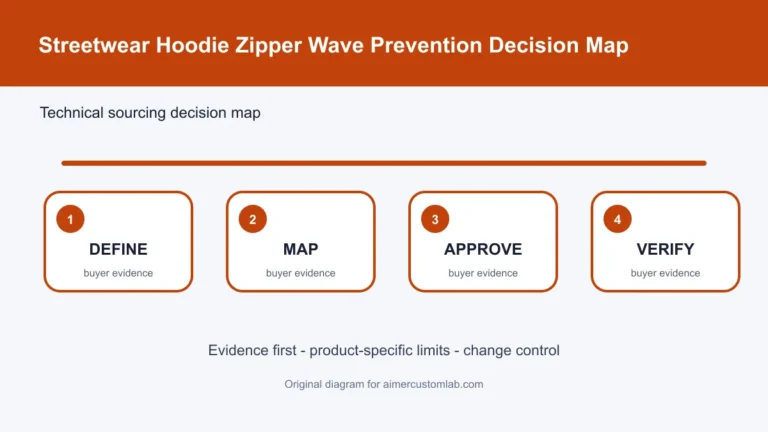
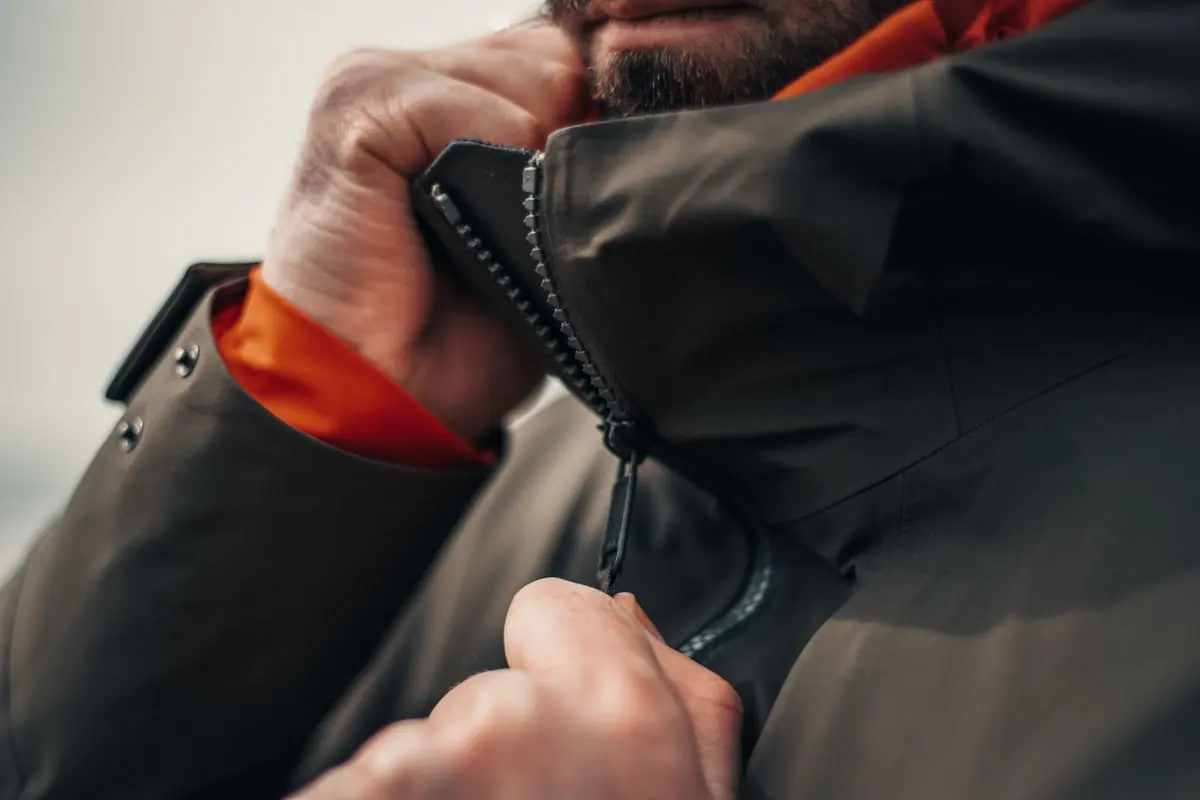
Heavy hoodies, tracksuit tops, and streetwear jackets expose closures to different loads and styling demands. A fashionable oversized silhouette may place little body tension on the chain but use a large metal puller that stresses the slider. Streetwear zipper failure diagnosis planning prevents a buyer from approving an attractive finish without checking the component most likely to fail.
The result should support a decision: approve, reject, request a controlled trial, change the intended use, or narrow the acceptable range. It should never become a decorative data point. Keep the raw report, specimen identification, photographs, and reference garment together so that later production lots can be compared with the same evidence.
Which Standard or Test Method Should Be Used?
Short answer: select the method that matches the material, property, and intended decision, then write its current edition and the requested procedure into the brief.
ASTM D2061 describes multiple strength tests for zippers and zipper parts. ASTM D2062 covers operability, including opening, closing, separating functions, and sticking. Use the current editions and specify which individual procedures apply; citing only the standard number without the requested property leaves the requirement incomplete.
Consult the official ASTM D2061 zipper strength test methods and the testing laboratory for the full controlled procedure. This article summarizes buyer decisions and does not reproduce or replace a paid standard.
What Should a Buyer Put in the Test Request?
| Item | Requirement or evidence | Buyer interpretation |
|---|---|---|
| Component or function | Typical concern | Approval evidence |
| Chain or elements | Opening under crosswise load | Method, result and failure location |
| Top and bottom stops | Stop pull-off or slider escape | Retention result plus photos |
| Slider and lock | Creep, deformation or unlock | Specified orientation and force |
| Puller attachment | Breakage or detachment | Pull direction and failure mode |
| Tape and garment seam | Tearing, fraying or seam damage | Component test plus finished-garment check |
| Separating box | Difficult engagement or release | Repeated operability assessment |
A purchase specification should also name the garment, season, material code, color, size, supplier lot, development stage, specimen count, report units, approval authority, and retest rule. If one of those details changes, decide whether the earlier result remains representative rather than copying it automatically to a new purchase order.
How Should streetwear zipper failure diagnosis Be Evaluated Step by Step?
- 1. Classify the closure. Record coil, molded plastic or metal; closed-end or separating; size, length, finish, and supplier code.
- 2. Define the garment load. Map pocket, fly, hoodie, tracksuit, and outerwear uses because each loads the closure differently.
- 3. Select relevant procedures. List the specific D2061 strength properties and D2062 operability functions required.
- 4. Freeze attachment construction. Approve tape extension, seam allowance, stitch type, reinforcement, facing, and fabric compatibility.
- 5. Condition and test specimens. State preconditioning, laundering, repetitions, units, and required reporting of individual values.
- 6. Inspect after garment processing. Check pressing, washing, shrinkage, slider travel, wave, puckering, finish damage, and end-stop security.
Use a pre-production meeting to confirm ownership. The brand defines the performance intent and acceptance logic; the supplier freezes materials and process; the laboratory applies the agreed method; and quality control verifies that bulk goods match the approved identity. This division reduces conflicting instructions and untraceable last-minute fixes.
How Do You Set a Sensible Acceptance Limit?
Start from a proven reference, not a generic internet number. Test a garment or fabric that performs satisfactorily in the intended market, record its construction, and use the result to establish a preliminary range. Then test development variants using the identical method and ask whether any numerical improvement creates a trade-off in hand feel, appearance, durability, fit, cost, or manufacturability.
Use individual readings as well as the average. A mean can pass while one specimen reveals local instability. Define what happens at a borderline result: repeat testing from retained material, inspect production records, test a second lot, or hold shipment. The escalation rule should be agreed before the first failure, when commercial pressure is lower.
What Common streetwear zipper failure diagnosis Mistakes Create Misleading Results?
- Requesting one zipper strength value: Different zipper parts fail under different loading modes.
- Ignoring the attachment seam: A strong chain still fails in use if the tape seam tears or distorts.
- Approving only a color swatch: Plating, coating, and puller design can affect operation and durability.
- Testing the wrong length or size: Component geometry and end use should match the production garment.
- Skipping wash checks: Fabric shrinkage and finish changes may create zipper wave or sticking.
Another common mistake is treating a standard as a product specification. A standard usually explains how to measure a property; it does not know the buyer’s climate, wearer, fit, price position, care label, or risk tolerance. A usable brief converts the method into a product-specific requirement with transparent limitations.
How Should streetwear zipper failure diagnosis Sampling and Bulk Quality Control Connect?
During sampling, attach every result to the exact bill-of-materials revision and retain a signed reference. At pre-production, verify that fabric, trims, thread, decoration, washing, and sewing settings match that reference. In bulk, sample across rolls, colors, sizes, machines, and production times according to the buyer’s inspection plan. Do not select only the cleanest first-off piece.
When a failure appears, quarantine affected material, describe the failure mode, and make one traceable corrective trial. Recutting, refinishing, changing machine settings, or switching a component without a retest can move the problem to another property. Record both the successful and unsuccessful trials so future teams do not repeat the same experiment.
Buyer Checklist Before Approval
- Is the focus property tied to a defined garment use and wearer scenario?
- Are method, edition, conditions, units, specimen state, and count written clearly?
- Does the report identify the exact material, color, lot, finish, and construction?
- Were production-intent decoration, washing, pressing, or sewing included where relevant?
- Are individual results, photographs, failure modes, and averages available?
- Has the team checked appearance, fit, comfort, durability, and manufacturability trade-offs?
- Is an approved physical reference retained and linked to the tech pack?
- Does the purchase order define retest, escalation, and corrective-action rules?
Frequently Asked Questions
Does a larger zipper always mean higher strength?
No. Size can influence capacity, but material, element design, slider, stops, tape, supplier quality, and attachment construction also matter.
Should ASTM D2061 and D2062 both be used?
They answer different questions. D2061 addresses strength properties; D2062 addresses operability. Select the relevant procedures for the closure.
How should a decorative puller be approved?
Check mass, leverage, attachment direction, edge safety, coating, branding artwork, and puller retention on the production-intent slider.
Can a component report replace a garment test?
No. The sewn application adds fabric, seam, shrinkage, pressing, and alignment variables.
What should be photographed in a failure report?
Capture the full zipper, loaded area, failed component, garment attachment, test direction, and supplier lot identification.
Conclusion: Turn the Result into a Sourcing Decision
Streetwear zipper failure diagnosis approval works best as a component matrix tied to a real garment. Name the zipper construction, choose the relevant strength and operability functions, freeze the sewing recipe, and retest after processing. Send the garment sketch, zipper location, material, finish, reference sample, and expected use when requesting development.
Explore custom streetwear products, manufacturing capabilities, contact Aimer Custom Lab. For an accurate quotation or technical recommendation, provide the corresponding website with the product sketch, quantities, market, material preference, decoration, size range, care expectations, and reference sample. Final specifications and commercial terms should be confirmed for the individual project.