Streetwear Screen Print Curing Guide
Quick answer: Streetwear screen print curing must follow the ink manufacturer’s required ink-film temperature and dwell time, verified on the actual garment. Dryer settings and surface readings alone do not prove cure. Buyers should approve colour, hand, stretch and dye migration, then confirm wash durability before bulk shipment. Different inks and fabrics require different controlled processes.
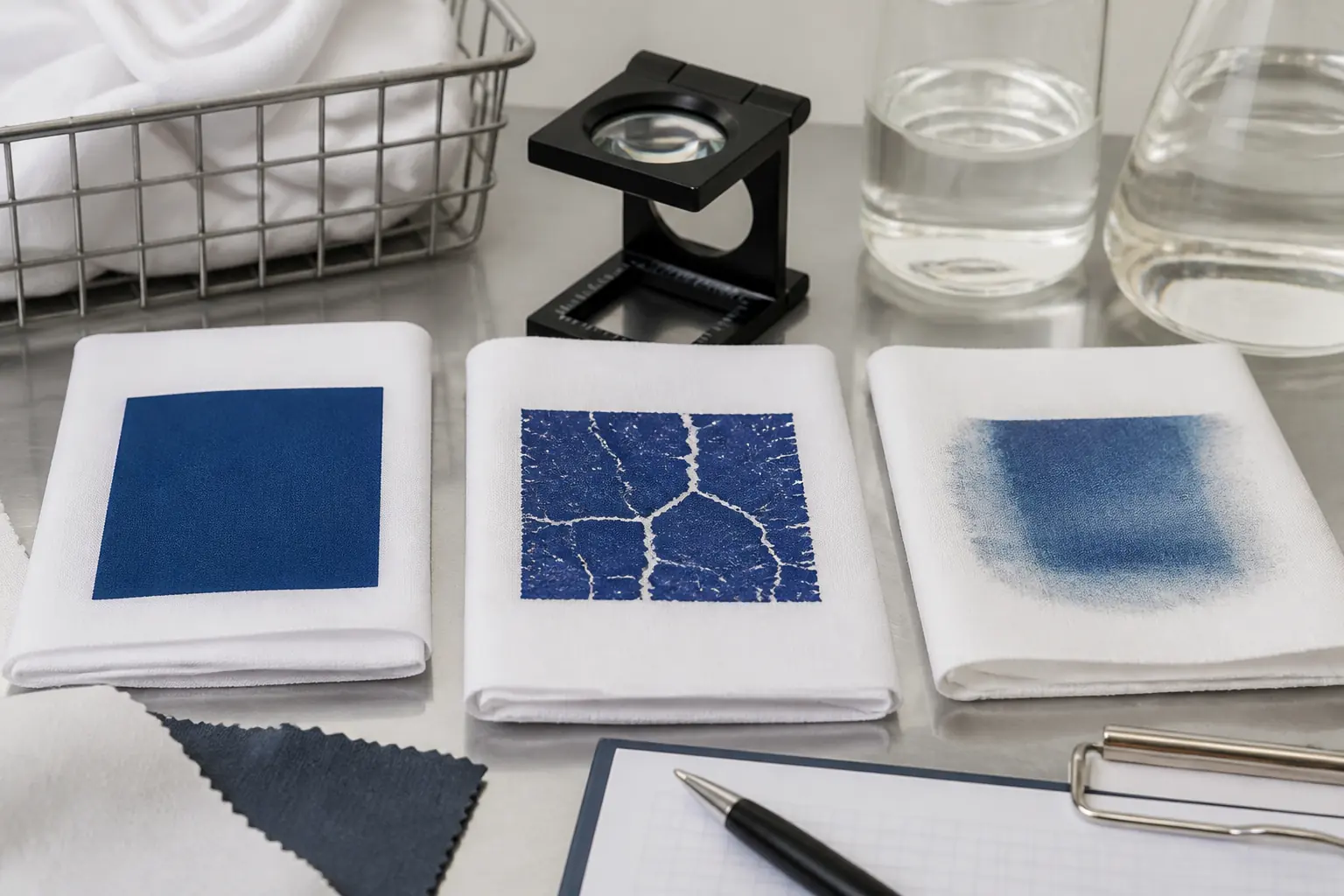
A print can look dry and still be under-cured. If the full ink deposit does not complete its cure, it may crack, peel or lose washability. Excessive heat can scorch fabric, change shade, distort stretch fibres or accelerate dye migration on polyester-rich garments.
This guide gives private-label buyers a practical streetwear screen print curing approval framework. It complements our print wash durability guide and streetwear sample approval process.
What does curing mean in garment screen printing?
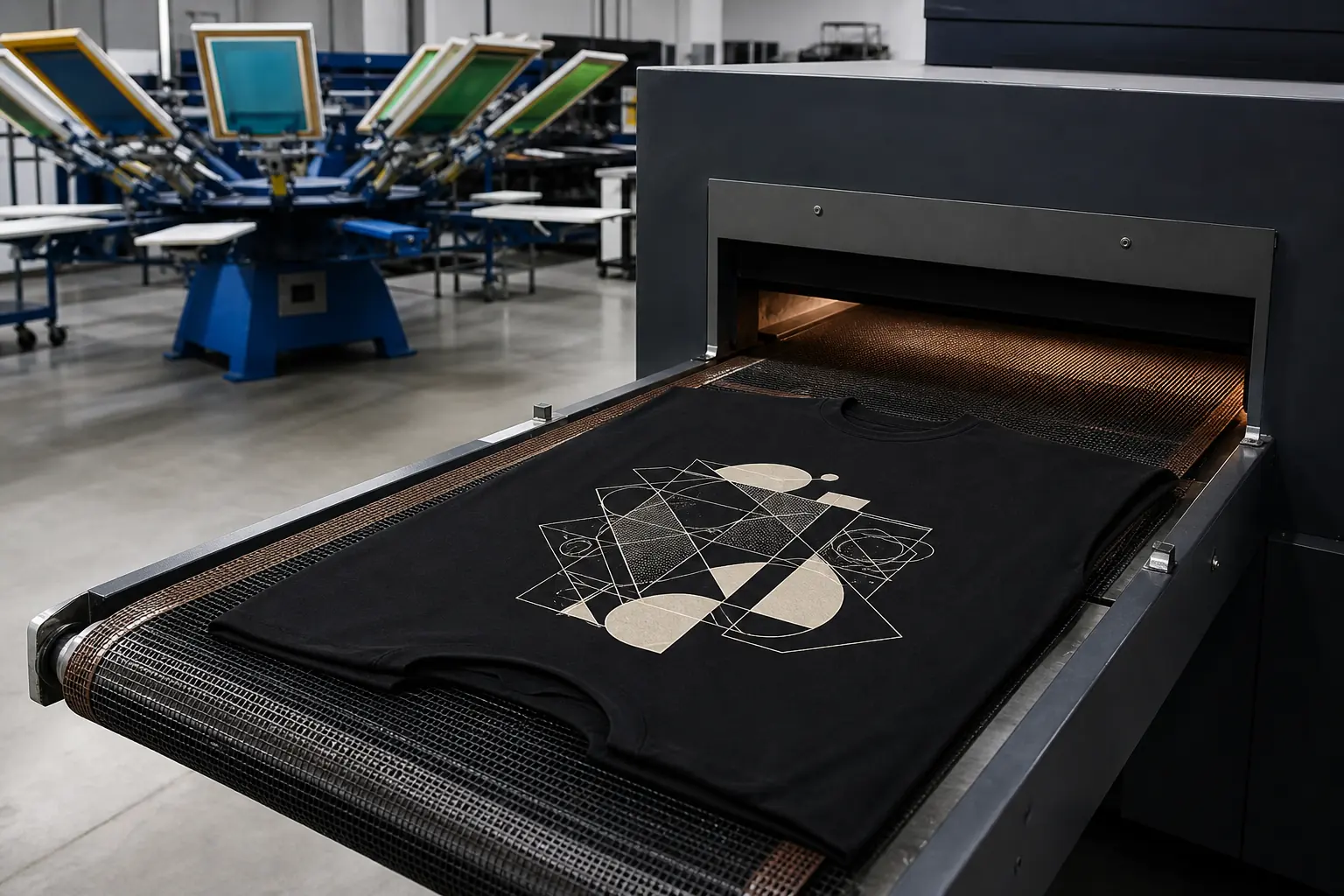
Curing is the controlled heat process that develops the ink film’s required durability. Plastisol, water-based, discharge and specialist low-cure inks use different mechanisms and manufacturer specifications. 鈥淒ry to the touch鈥?is only an appearance; it is not evidence that the entire deposit reached the necessary condition.
The Printing United Alliance textile washfastness guide connects cure control with the multiple-wash test. That is valuable for buyers because end users judge prints through repeated laundering, not at the end of the dryer.
Which variables control streetwear screen print curing?
| Variable | Why it matters | How to document |
|---|---|---|
| Ink system | Defines manufacturer cure requirements | Product code, colour and additives |
| Ink-film temperature | Surface and base of deposit must meet the required process | Verified measurement method and result |
| Dwell time | Heat must act for the specified duration | Dryer speed and measured exposure |
| Deposit thickness | Thicker areas may heat differently | Screen, stencil and print-pass record |
| Garment fabric | Changes heat tolerance and dye-migration risk | Approved fabric code and colour |
| Dryer airflow | Especially important for removing water from water-based systems | Equipment and process verification |
Do not copy a generic online temperature into a tech pack. Use the current technical data for the exact ink and confirm the process on the actual production dryer and garment.
Why is the dryer display not enough?
The display may represent chamber air, sensor location or a set point rather than the temperature reached by the ink film. Garment thickness, loading, belt speed, print position and ink deposit can create different results across the same run.
Measure using an appropriate method recommended by the process supplier, such as a probe or calibrated system, and record the actual result. An infrared reading of the surface can help monitor consistency but may not prove that the base of a thick deposit reached cure.
How do plastisol and water-based curing differ?
Plastisol typically needs the full ink film to reach the formulation’s cure requirement. Water-based systems must remove water and then complete the binder process, so airflow and time can be critical. Discharge systems include additional chemistry and fabric compatibility considerations.
Battle Born Clothing’s screen printing ink curing guide illustrates why cure ranges vary by product and why wash testing is essential. Treat any numerical examples as supplier-specific, not universal settings for your order.
How does fabric affect streetwear screen print curing?
Cotton-rich jersey and fleece
These fabrics may tolerate common print processes, but heavy hoodies absorb heat differently from light T-shirts. Seams, pockets and double layers can change how garments travel through the dryer.
Polyester and blends
Polyester dyes can migrate into the ink under heat, producing unwanted colour shifts. Low-cure or blocker systems may be considered only with the ink supplier’s guidance and a tested sample.
Stretch fabrics
High heat can affect elastane, recovery and garment dimensions. The cured print also needs suitable stretch without cracking at the intended location.
Garment-dyed or washed styles
Residual dyes, finishes and uneven surfaces can change adhesion or colour. Test the complete decoration and wash sequence in the correct order.
What should be included in the print specification?
- Artwork revision, position and finished size
- Ink brand/product code or approved equivalent route
- Colour standard and opacity requirement
- Base, underbase and top-colour sequence
- Screen and deposit controls where needed
- Flash and final cure process tied to supplier data
- Measurement method for ink-film temperature
- Stretch, hand and wash acceptance criteria
- Dye-migration or scorching review for risk fabrics
A streetwear screen print curing record should connect the approved ink and fabric to a reproducible process. 鈥淯se normal dryer settings鈥?is not inspectable.
How should buyers approve streetwear screen print curing?
- Approve the substrate: Use the final fabric, colour, wash and garment construction.
- Print production-scale artwork: Small test marks may not represent a thick or large design.
- Verify process data: Compare measured film temperature and dwell time with the ink supplier’s requirement.
- Inspect appearance: Check colour, opacity, edge, pinholes, hand and registration.
- Perform a controlled stretch review: Use an agreed method appropriate to the fabric and print.
- Wash test: Follow the agreed care cycle and inspect cracking, peeling, colour and migration.
- Retain standards: Keep unwashed and washed signed samples plus process records.
Avient’s ink curing tips emphasizes cure verification and post-wash review. Buyers should obtain current guidance for the exact ink rather than use a general document as a production recipe.
What streetwear screen print curing failures are common?
Print cracks after the first washes
Under-cure is one possible cause, but deposit, ink compatibility, additives and fabric stretch also matter. Compare process records and washed controls before deciding the correction.
White ink changes colour on polyester
Dye migration may be involved. Review garment dye, cure heat, dwell, blocker/underbase and the complete wash/storage sequence with the ink supplier.
The garment shows scorch or press marks
Heat, dwell, contact, moisture and fabric finish should be checked. Reduce risk through a validated process rather than hiding damage with pressing.
Large prints cure unevenly
Deposit thickness, dryer loading and airflow may vary across the image. Measure representative locations and confirm that the full ink film reaches the required process.
Streetwear screen print curing bulk quality-control checklist
- Correct artwork, ink and garment fabric used
- Dryer speed and process settings match approved records
- Ink-film verification is performed at the agreed frequency
- Colour, opacity and hand match the signed standard
- No scorching, gloss variation or unwanted dye migration
- Edges are clean and registration is acceptable
- Retained samples support periodic wash checks
- Failures are isolated and investigated before shipment
Frequently asked questions
What temperature cures screen printing ink?
There is no universal value. Follow the current technical data for the exact ink and verify the full deposit on the actual garment.
Can a heat gun prove full cure?
It may dry or heat a small area unevenly. Production approval needs a controlled, measured process and wash validation.
Is a stretch test enough?
No. Stretch can reveal problems but does not replace a controlled wash test or manufacturer cure verification.
Why does polyester bleed into white ink?
Heat can mobilize garment dyes. Substrate, dye, temperature, dwell and ink system should be evaluated together.
Should every batch be wash tested?
Define a sampling plan based on risk, order size, process changes and customer requirements. Retained samples support investigation.
Can the same cure settings be used for T-shirts and hoodies?
Do not assume so. Garment mass, layers, fabric and print deposit can change heat response and dryer loading.
Conclusion
Controlled streetwear screen print curing links the exact ink, fabric and dryer process to measured evidence and wash durability. Approve production-scale prints, record the process and stop a bulk run when verification shows drift.
Developing printed streetwear? Review the sample approval workflow and contact Aimer Custom Lab with the garment fabric, colour, artwork and decoration target. Confirm available methods, sampling, MOQ and timing for the project.