Side-Seam vs Tubular T-Shirts: Buyer Guide
Quick answer: In a side seam vs tubular T-shirt decision, side-seamed construction offers more pattern shaping and clear measurement landmarks, while tubular construction removes vertical body seams and can support a straight, relaxed silhouette. Neither method guarantees quality. Buyers should compare fit, size availability, decoration placement, torque after laundering and the factory’s actual knitting or cut-and-sew capability.
Streetwear buyers often judge T-shirts by GSM, cotton type and print. Body construction receives less attention even though it affects the shape, measurement method and where graphics can be placed. A tubular tee is not simply a side-seamed tee with the seams removed; the fabric is formed and sized through a different production route.
A disciplined side seam vs tubular T-shirt review starts with the target silhouette and available manufacturing route.
This guide explains side seam vs tubular T-shirt sourcing for oversized and private-label programs. Use it alongside our oversized T-shirt measurement guide and drop-shoulder fit guide.
What is a side-seamed T-shirt?
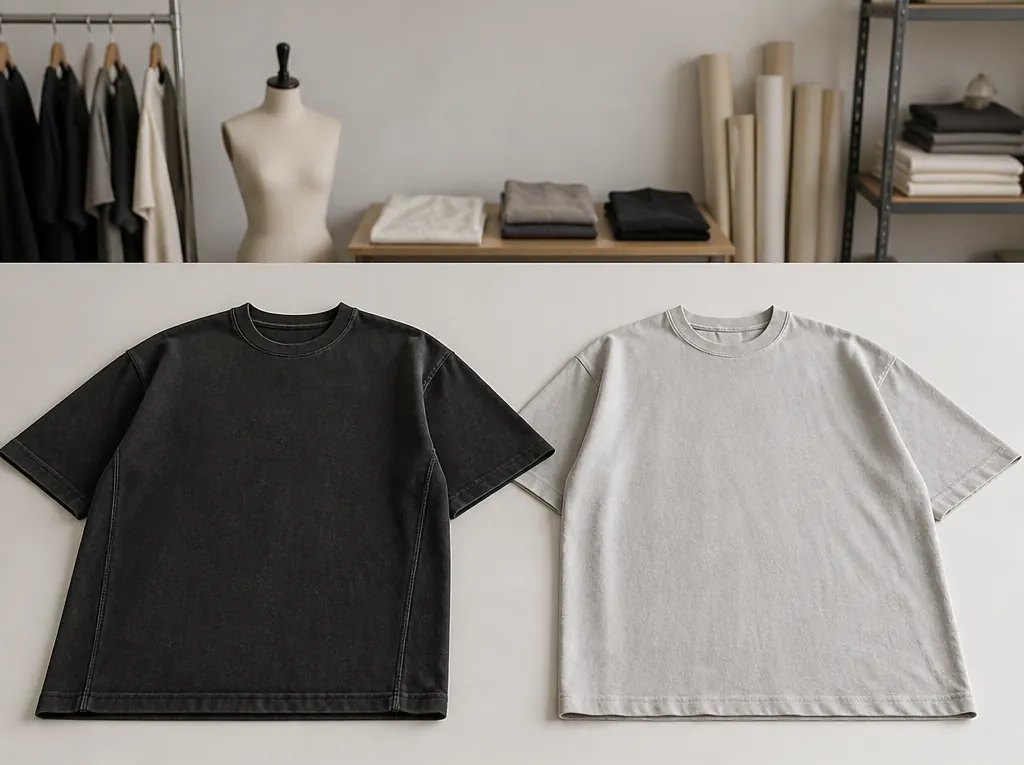
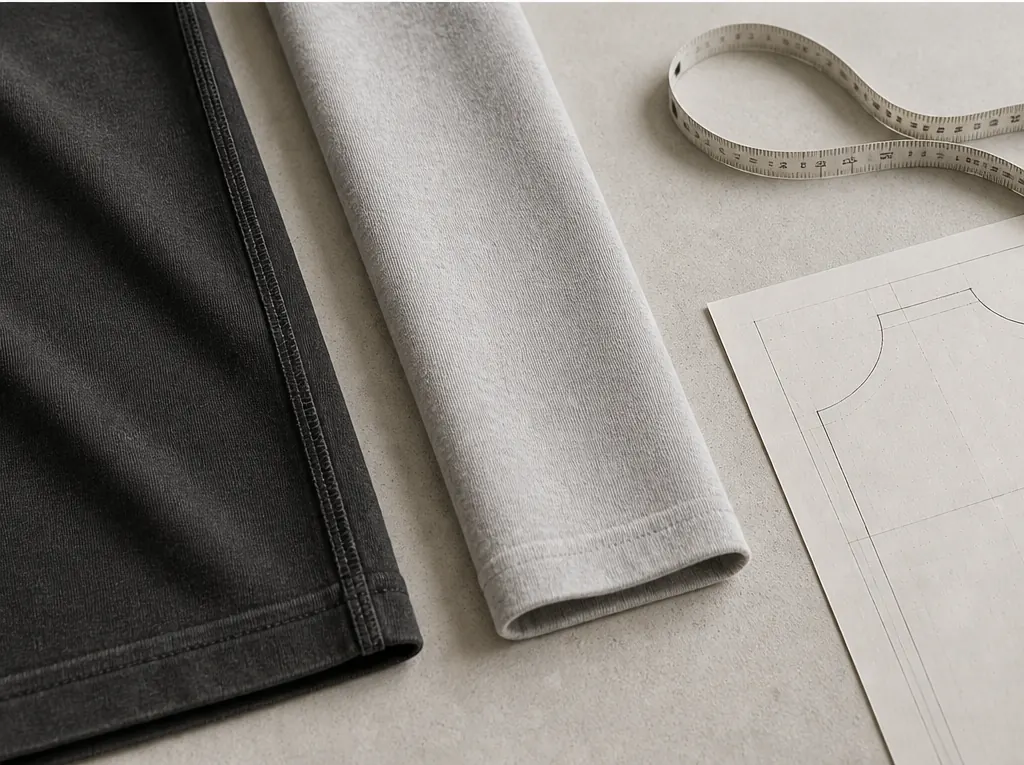
A side-seamed T-shirt uses separately cut front and back body panels joined by vertical seams from the underarm toward the hem. The pattern maker can shape each panel, control the relationship between front and back, and add tapers, curves, splits or inserts. Side seams also create physical landmarks for inspection and some decoration measurements.
The finished result still depends on cutting accuracy, seam construction, fabric stability and laundering. A side seam can twist or pucker when panels are off grain or sewn unevenly, so the presence of a seam is not proof of premium quality.
What is a tubular T-shirt?
A tubular T-shirt body is cut from fabric knitted as a continuous tube. There are no vertical side seams on the torso, although the garment still has sleeve, armhole, neck and hem construction. Tube diameter constrains available body widths, and measurement references must not depend on a side seam.
Jiashun Clothing’s T-shirt anatomy guide correctly notes that tubular does not mean the entire garment is seamless. That distinction should appear in buyer briefs to prevent confusion between body construction and complete garment assembly.
Side seam vs tubular T-shirt comparison
| Decision factor | Side-seamed body | Tubular body |
|---|---|---|
| Pattern shaping | Front and back can be shaped independently | Body follows available tube dimensions |
| Vertical body seams | Present on both sides | Absent |
| Oversized silhouette | Can be engineered with panel width and shape | Can provide a straight, boxy body if tube size suits |
| Measurement landmarks | Side seams support alignment and across points | Alternative centring references are required |
| Wraparound decoration | Graphic must account for raised seams | Uninterrupted side surface, subject to print process |
| Torque risk | Still possible from grain or assembly errors | Must be evaluated for rotational distortion |
| Size flexibility | Open-width fabric can be cut to varied patterns | Available tube diameters influence size options |
Cotton Monk’s manufacturing comparison highlights differences in knitting, cutting and size planning. Treat commercial claims about cost or superiority as supplier-specific; ask the factory how the choice affects your quantity, size range and fabric.
Which side seam vs tubular T-shirt option fits oversized styles?
Both can produce an oversized T-shirt, but they offer different controls. Side-seamed construction lets a pattern maker shape shoulder, chest, waist, sweep and hem independently. It is useful when the brand wants a deliberate taper, crop, curved hem, side split or contrast panel.
The side seam vs tubular T-shirt decision should be verified across the complete size range, not only on one base sample.
A tubular body naturally supports a straight torso when the correct tube width is available. That can suit a vintage or boxy direction. However, the buyer must check how the tube options correspond to every graded size. A base-size tube may look correct while adjacent sizes become too narrow or too wide.
Do not select construction from trend vocabulary alone. Approve chest, shoulder, body length, sweep, armhole and sleeve proportions as one system.
How does side seam vs tubular T-shirt construction affect decoration?
Front and back prints
Both bodies can support conventional front and back placement. The print team should use centre-front and centre-back references rather than assuming the cut edge or fold is centred.
Side and wraparound graphics
A raised side seam can interrupt a screen, heat-transfer or other decoration surface. Tubular construction provides uninterrupted fabric around the torso, but the actual print method, platen setup, garment size and post-wash torque still need approval.
Embroidery and patches
Construction choice does not remove the need for backing, placement and distortion checks. Keep heavy decoration away from unstable or highly stretched zones unless the sample demonstrates acceptable performance.
What is torque, and how should it be tested?
Torque is rotational distortion that causes garment landmarks to shift after manufacturing or laundering. It may be visible as a side seam moving toward the front or back, or as a tubular body rotating relative to its centre references. Fabric spirality, grain alignment, finishing and assembly can all contribute.
Do not predict the result from the construction name. Wash the complete sample under the proposed care method, condition it and compare the same references before and after. Printful’s side-seamed and tubular overview discusses fit and printing implications, but your acceptance limit must be agreed for your own garment.
How should tubular tees be measured without side seams?
The technical diagram should establish centre front, centre back, underarm points and flat fold alignment. Chest width can be measured between underarm landmarks; body length can follow a named shoulder or high-point reference. Sweep and hem widths need a consistent flat orientation.
For artwork, establish the centre line independently of any natural fold created during packing. A fold is not a permanent pattern landmark and can move from unit to unit.
What belongs in the sourcing specification?
- Side-seamed or tubular body explicitly identified
- Fabric construction, composition, weight and approved reference
- Target silhouette and complete measurement chart
- Tube diameter or available size route where tubular is proposed
- Side-seam type, allowance and finish where applicable
- Decoration method, size and placement references
- Wash test and torque inspection method
- Grade rules and tolerances for every size
- Approved sample and revision date
How should side seam vs tubular T-shirt samples be compared?
- Use equivalent fabric: Compare the constructions in the same or clearly documented materials.
- Measure before wear: Record all POMs using construction-appropriate landmarks.
- Assess the silhouette: Photograph front, side and back on the intended fit model.
- Decorate realistic samples: Include the proposed print or embroidery where placement matters.
- Complete movement checks: Observe lifting, reaching, sitting and layering.
- Launder consistently: Follow the proposed care instruction and recondition before review.
- Measure distortion: Compare body rotation, hem level, chest width and length.
- Approve per size route: Confirm that available tube or panel dimensions support the full range.
Common sourcing mistakes
Calling tubular construction seamless
The body lacks vertical side seams, but the T-shirt still contains other seams. Use precise language so the factory does not infer an unrealistic requirement.
Assuming side seams prevent every twist
Side seams provide visible landmarks but can still move if panels are off grain, mismatched or differentially fed. Test the garment.
Choosing tubular without confirming size availability
Tube diameter is linked to knitting capability. Confirm the fabric, diameter, quantity and complete size range before approving the concept.
Placing artwork from a folded sample
Use controlled centre references and measurement points. Packing folds are variable and can create false alignment.
Buyer checklist
Apply this side seam vs tubular T-shirt checklist before the final construction route is released.
- Construction type written on the technical flat
- Fit intent translated into measurements
- Size range feasible in the selected fabric route
- Decoration tested on actual construction
- Centre references defined for inspection
- Pre- and post-wash measurements recorded
- Torque and hem appearance reviewed
- Bulk approval criteria documented
Frequently asked questions
Are tubular T-shirts always cheaper?
No universal cost statement is reliable. Fewer side-sewing operations may help, but tube availability, fabric, quantity, size mix and factory capability determine the actual quotation.
Are side-seamed T-shirts always higher quality?
No. Quality depends on fabric, pattern, cutting, sewing, finishing and inspection. Construction should be selected for the intended result.
Which is better for a boxy streetwear T-shirt?
Either can work. Side seams provide more shaping control; tubular construction can support a straight body when a suitable tube diameter exists.
Can a tubular T-shirt have an oversized drop shoulder?
Yes. The body construction and sleeve/shoulder pattern are related but separate decisions. Approve the complete pattern and size range.
Which construction is better for wraparound printing?
A tubular body removes the raised side seam, but print method, garment loading, size variation and wash distortion still require testing.
How can buyers inspect tubular alignment?
Use centre-front, centre-back, underarm, neck and hem references shown on the POM and artwork diagrams instead of relying on side seams.
Conclusion
The side seam vs tubular T-shirt choice is a manufacturing and product-positioning decision, not a simple quality ranking. Match the body route to the silhouette, size plan, decoration and supplier capability, then approve measurable samples before bulk production.
Planning a private-label T-shirt program? Contact Aimer Custom Lab with your target GSM, fit measurements, size range, artwork and preferred construction. Confirm fabric availability, sampling, MOQ and production timing for the specific order.