Streetwear Perspiration Colorfastness Test Guide
A streetwear perspiration colorfastness test evaluates how dyed or printed fabric resists simulated human perspiration. It matters for dark hoodies, oversized T-shirts, jacket linings, contrast panels and trims because sweat can cause shade change or transfer color to adjacent materials. A visual sample may look perfect while still creating staining after wear.
Quick answer: identify every color and contact material, select the current method, test representative production-intent specimens in the required acidic and alkaline conditions, evaluate both color change and staining with the specified scales, and compare individual results against requirements agreed before bulk production. ISO 105-E04:2013 remains current after confirmation in 2023 and applies to textiles of all kinds and forms.
Why a streetwear perspiration colorfastness test matters
Streetwear frequently combines saturated shades, pale linings, large prints and layered styling. Sweat can migrate through a neckline, underarm, waistband or backpack contact zone. The risk is not limited to obvious fading: transferred dye may stain a white logo, drawcord, mesh panel, lining or another garment worn underneath.
The test supports sourcing decisions by separating color performance from appearance. It helps buyers compare lab dips, sample yardage and bulk lots using a controlled procedure. It does not predict every wearer or climate, but it provides repeatable evidence when the method, materials and evaluation are documented.
Define the product risk before testing
Map contact zones and color combinations
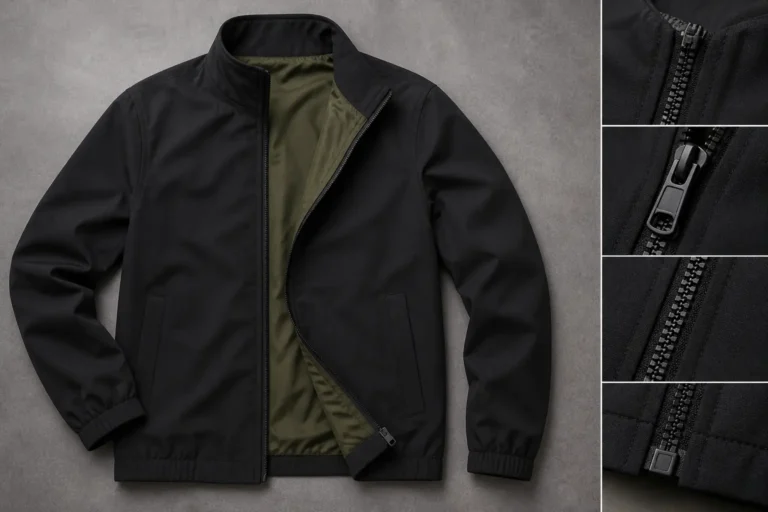
Mark collars, underarms, waistbands, cuffs, pocket bags and lining contact points. Review dark-to-light combinations and areas where heat and moisture can accumulate. A black shell with a cream lining needs more than a test of the shell viewed alone.
Identify each material state
Record fiber content, knit or woven construction, shade, print process, wash finish and lot. Test the state customers will receive. Garment dyeing, pigment washing, softening and resin finishes may change dye fixation or surface transfer, so an unfinished swatch is not automatically representative.
Streetwear perspiration colorfastness test comparisons
| Evaluation | What it shows | Evidence to retain | Common mistake |
|---|---|---|---|
| Color change | Change in the tested specimen shade | Grade, lighting and specimen ID | Reporting only a photo |
| Staining | Transfer to adjacent fibers | Grade for each adjacent-fabric component | Using one overall staining number |
| Acid condition | Performance in one specified perspiration solution | Solution, pH and test record | Assuming it represents alkaline results |
| Alkaline condition | Performance in the other specified solution | Separate result set | Combining both conditions |
| Post-finish test | Effect of garment processing | Finish recipe and retest | Testing only raw fabric |
How to build a streetwear perspiration colorfastness test plan
Use traceable specimens
Cut specimens from representative locations and attach the specified adjacent fabric according to the method. Assign an ID that links the result to color, roll, panel and garment. Avoid taking every specimen from one clean edge of one roll.
Control solution and equipment variables
Use the prescribed reagents, liquor preparation, wet-out and loading procedure. Record solution identity, pH, equipment, temperature, duration and operator. Differences in preparation can make results from two laboratories difficult to compare.
Condition and evaluate consistently
After exposure, dry and condition specimens as required before grading. Use the specified gray scales or instrumental procedure under controlled viewing conditions. Keep original tested specimens and evaluation photographs with the report when practical.
Streetwear perspiration colorfastness test failure modes
A low color-change grade means the original shade altered during the test. A low staining grade indicates transfer to an adjacent fiber. These failures need different responses. Shade change may relate to dye selection, fixation or finish chemistry; staining may require improved wash-off, process control or a different color/material pairing.
Review which fiber in the multifiber adjacent fabric is stained. That detail can help predict risk to polyester lining, cotton jersey or nylon trim. Do not reduce the report to “pass” without retaining the individual ratings.
Development, pilot and bulk checkpoints
- Screen the proposed fabric and shade during sourcing.
- Retest after printing, garment dyeing or special washing.
- Include contrast linings, labels, tapes, drawcords and rib.
- Approve a production-intent garment before bulk cutting.
- Sample bulk lots across rolls, shades and production dates.
- Investigate any shift rather than averaging it away.
A useful streetwear perspiration colorfastness test program connects lab results to color approval and production control. The test request, trim sheet and inspection plan should use the same material identifiers.
Common causes of poor perspiration fastness
Incomplete fixation or wash-off
Unfixed or hydrolyzed dye can remain on the surface and transfer under moisture. Review dyeing controls, rinsing and soaping rather than relying on a final softener to hide the problem.
Incompatible print and finish systems
Pigments, discharge effects, binders and garment washes can interact. Test the complete decorated material after the planned cure and wash sequence. A blank-fabric result does not validate the printed garment.
Uncontrolled shade substitution
A supplier may match appearance using a different dye combination. Require performance confirmation when recipes, mills, bases or finishing sites change, even if the shade remains visually close.
Streetwear perspiration colorfastness test checklist
- Current method and buyer requirement are named.
- Acid and alkaline results remain separate.
- All colors and critical contact zones are mapped.
- Production-intent fabric and finish are tested.
- Specimen, roll, shade and lot are traceable.
- Color change and staining are both reported.
- Individual adjacent-fiber grades are retained.
- Viewing conditions and evaluation scales are controlled.
- Bulk sampling covers meaningful variation.
- Corrective action is linked to the actual failure mode.
Frequently asked questions
Is perspiration fastness the same as wash fastness?
No. They use different exposure conditions and answer different questions. A garment may perform well in laundering yet transfer color under perspiration.
Should every color be tested?
Test every high-risk shade and material combination. Dark, saturated, contrast and newly developed shades deserve particular attention, but the final plan should follow buyer risk and requirements.
Does one result cover shell, rib and lining?
No. Different fibers, dye systems and finishes can behave differently. Identify and test the relevant components separately or in representative assemblies.
Can photographs replace gray-scale ratings?
No. Photographs are useful supporting evidence, but results should be evaluated and reported using the named method and scale under controlled conditions.
What grade should a brand require?
There is no universal grade for every market and product. Set method-specific criteria based on buyer standards, shade, end use, claims and risk before testing.
Reading a supplier laboratory report
Check that the report names the exact standard edition, specimen description, conditioning, exposure, evaluation scale and test date. The sample description should match the purchase specification rather than a generic color name. Ask for individual acid and alkaline ratings, not only a combined pass statement.
Compare the report with the approved lab dip, bulk shade band and garment bill of materials. If the tested article cannot be traced to the supplied lot, the result has limited value. A credible report also states deviations, unusual observations and whether a third-party or internal laboratory performed the work.
When results from laboratories disagree
First reconcile method edition, adjacent fabric, reagent preparation, loading, temperature, duration, drying and grading conditions. Send homogeneous retained specimens to both laboratories where possible. Do not select the higher result without explaining the technical difference.
Corrective-action workflow
Quarantine the affected material, confirm the result with traceable specimens and identify whether the issue is dye fixation, wash-off, print curing, finish interaction or material substitution. Trial one controlled change at a time, then repeat the same method. Record the corrected recipe and production control so the solution reaches bulk rather than remaining a laboratory exception.
For a contrast garment, also review the consumer-care instruction. A validated care procedure may reduce avoidable risk, but it cannot replace adequate material performance or justify an unsupported instruction. The final label needs a reasonable basis for its regular-care guidance.
Conclusion
A controlled streetwear perspiration colorfastness test helps prevent fading and dye transfer that are invisible during a showroom review. Test finished, traceable materials; retain separate color-change and staining results; and connect corrective action to the observed failure.
Explore our streetwear product range, review the streetwear care label guide, and contact Aimer Custom Lab with your color standards and testing brief.
Authority reference: ISO 105-E04:2013.