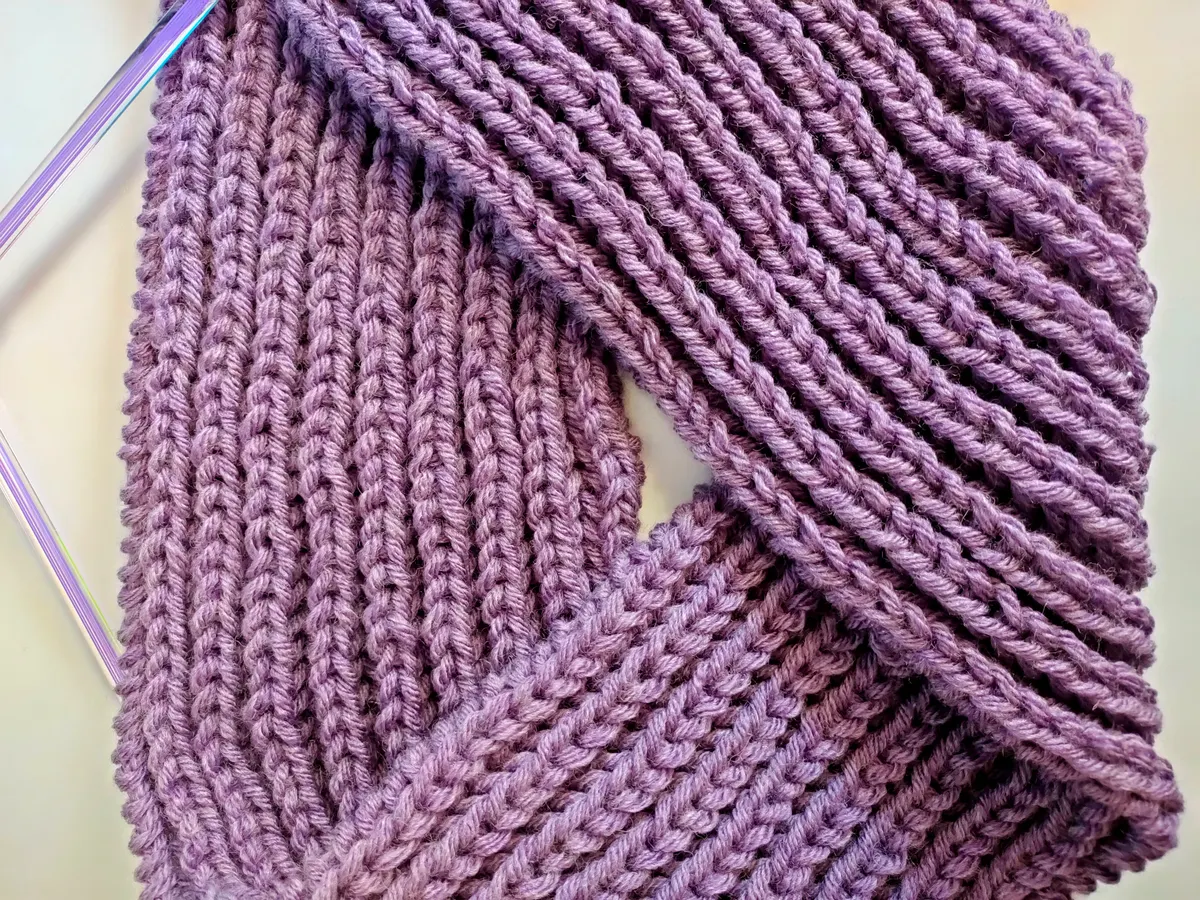
Hoodie Rib Cuff Recovery Test Guide
Hoodie rib cuff recovery determines whether a sleeve opening returns close to its intended size after stretching during dressing and wear. For streetwear buyers, it affects silhouette, comfort and perceived quality. A reliable specification separates fabric stretch, residual growth and finished-cuff performance, then links test conditions to the exact rib construction used in bulk production.
Quick Answer: Evaluate hoodie rib cuff recovery with production-representative rib, a defined extension or load, controlled hold and recovery times, and measurements taken in both course and wale directions when relevant. Approve a finished cuff loop as well as flat fabric, because seam construction, rib ratio, elastane, washing and attachment to the sleeve can change performance.
What is hoodie rib cuff recovery?
Hoodie rib cuff recovery is the ability of the ribbed sleeve finish to return toward its original dimensions after a controlled stretch is removed. It is related to stretch and growth, but these are not identical properties. Stretch describes extension under a stated force or to a stated distance. Growth describes the residual enlargement that remains after recovery time.
For an oversized hoodie, the cuff may be intentionally relaxed, narrow or deep. Good recovery does not mean every cuff must grip tightly. It means the approved design can be reproduced without unexpected bagging, waviness or an opening that becomes permanently wider after limited wear.
Why do hoodie cuffs lose their shape?
A cuff can lose shape because of fiber behavior, knit structure, knitting tension, elastane condition, dyeing and finishing, cutting direction, seam bulk, attachment ratio or repeated use. The cause is rarely visible from fiber content alone.
Common risks include:
- rib with insufficient elastic recovery for the target opening;
- heat or chemical exposure that affects elastane performance;
- excessive cuff-to-sleeve stretch during sewing;
- uneven feed that creates local waves or torque;
- seam construction that restricts or distorts recovery;
- size grading that changes opening tension without validation;
- washing and drying conditions that alter the rib or body fabric differently;
- mixing rib lots with different stretch characteristics.
A hoodie rib cuff recovery problem should therefore be investigated through material records and construction checks, not corrected only by making the cuff smaller.
Which test method should a buyer use?
No single test automatically fits every cuff. The buyer and supplier should select a method that matches the rib type, desired deformation and decision purpose. A laboratory can advise how a published standard applies to flat rib fabric and whether a separate finished-component test is needed.
| Approach | What it measures | Best use | Key limitation |
|---|---|---|---|
| ASTM D2594 | Stretch and growth of low-power knitted fabrics | Comparing suitable knit ribs under a defined procedure | The standard notes limitations for acceptance testing between laboratories |
| ISO 20932-1 strip test | Elasticity and related properties using straight strips or loops | Documented laboratory comparison of fabric behavior | Test option and specimen form must be stated |
| Finished cuff loop test | Opening change after controlled expansion and recovery | Validating the actual sewn component and size | Buyer protocol must define circumference, extension, time and measurement |
| Wear and wash trial | Appearance after realistic use and care | Confirming consumer-facing shape retention | Not a substitute for a repeatable laboratory method |
ASTM D2594 covers stretch and growth of knitted fabrics under low tension and explains that the properties are useful when a fabric must stretch and recover. It also states that between-laboratory precision is known to be poor for commercial acceptance, so comparative work may be required when results differ. ISO 20932-1 describes strip and loop methods for fabric elasticity. These references support method selection; they do not create a universal cuff limit.
How should buyers build a cuff-recovery approval plan?
Build the hoodie rib cuff recovery plan before the size set is approved. The plan should identify the design target, test specimen and acceptance decision.
- Define the silhouette. Record intended cuff depth, opening, sleeve relationship and whether the feel should be snug or relaxed.
- Identify the rib. State fiber composition, yarn, knit structure, weight, elastane content when verified, color, finish and lot.
- Select the laboratory method. Record the standard, edition, option, load or extension, hold time, recovery interval and directions.
- Create a finished-cuff protocol. Define the sewn loop, seam type, attachment ratio, measurement points and conditioning.
- Test before and after care. Use the approved care route and report any dimensional change separately from immediate recovery.
- Approve size coverage. Check the smallest and largest openings and any size where grading changes the rib ratio.
- Retain evidence. Store tested pieces, results, patterns and photographs with the sample approval.
- Set change triggers. Require review when rib supplier, yarn, finish, dye route, pattern or sewing method changes.
How do you measure a finished hoodie cuff?
Measure the relaxed opening at a defined location without stretching the component. Apply the agreed expansion using a fixture or marked template that avoids sharp edges and uneven loading. Hold for the stated time, release, allow the specified recovery period and remeasure at the same point.
The record should show whether the result is a circumference, flat half-measurement or percentage. It should also identify temperature and conditioning when those affect the protocol. Multiple specimens help reveal variation that one good sample may hide.
For development, buyers may compare immediate recovery with recovery after a longer interval. However, the purchase specification should name one decision point and calculation. Otherwise, two teams can report different hoodie rib cuff recovery values from the same cuff.
What role does the cuff-to-sleeve ratio play?
The cuff is commonly stretched while it is attached to the sleeve opening. The relationship between cuff seam length and sleeve opening influences gathering, tension and final appearance. The correct ratio depends on the rib, body fabric, seam, design and size.
If the ratio is too aggressive for the selected rib, the seam may ripple, the cuff may feel tight or the sleeve may bunch. If it is too relaxed, the cuff may look flat and fail to return neatly. Validate the relationship on the actual materials rather than transferring a ratio from another hoodie.
Record cut length, finished seam allowance and sewing method in the technical pack. A nominal pattern measurement without seam and feed information is not enough to reproduce the approved result.
How should bulk production be controlled?
Bulk control begins with incoming rib. Confirm material code, lot, construction, color and any agreed physical checks. Compare production roll behavior with the approved reference under the same method.
At sewing, monitor cuff cut length, seam joining, notches, distribution around the sleeve and machine settings. Inspect relaxed opening, symmetry, gathering and seam recovery. A cuff that meets a flat fabric test can still fail visually if it is attached unevenly.
A practical hoodie rib cuff recovery checklist includes:
- approved rib lot and color are used;
- cut direction and cuff dimensions match the pattern;
- joining seam is secure and not excessively bulky;
- attachment stretch is evenly distributed;
- finished opening matches the size specification;
- cuff returns without persistent flare or wave after the agreed check;
- sample and bulk care tests follow the same instruction;
- nonconforming lots are segregated and reviewed.
How should a buyer write the requirement?
Write the requirement so an independent inspector can repeat it. Name the rib, size, specimen form, original dimension, extension or load, hold time, recovery time, care state, calculation and acceptance rule. Add the measurement tool and rounding convention if they matter.
Avoid statements such as “good elasticity” or “must recover completely.” Those phrases do not specify a procedure or commercially realistic tolerance. The final limit should be agreed from tested development samples and the intended silhouette rather than copied from an unrelated product.
Hoodie rib cuff recovery FAQ
Is more elastane always better for cuff recovery?
No. Recovery depends on yarn quality, knit structure, processing and design as well as elastane content. Excessive power can also make a cuff uncomfortable or distort the sleeve.
Should buyers test flat rib or the finished cuff?
Use both when risk justifies it. Flat fabric isolates material behavior, while the finished cuff reveals the effects of seam construction and attachment.
Can one size represent the entire hoodie range?
Not always. Check size extremes and any grading transition that changes cuff opening, depth or attachment relationship.
Why does the cuff pass before washing but fail afterward?
Heat, moisture, shrinkage, finishes and differential dimensional change can alter performance. Confirm the care route and retest the actual component.
What is an acceptable recovery percentage?
There is no universal value for every hoodie. Establish the limit from the chosen method, approved appearance, wear expectations and relevant buyer standard.
How should conflicting laboratory results be handled?
First compare method editions, specimen preparation, equipment and calculations. When needed, arrange controlled comparative testing using homogeneous material and competent technical review.
Conclusion: specify the cuff as a system
Reliable hoodie rib cuff recovery comes from aligning the rib, pattern, seam, attachment ratio, care route and test method. Buyers should approve both material data and the finished component, then maintain traceability through bulk production.
Explore Aimer Custom Lab streetwear products, review our custom manufacturing capabilities, or contact us with your hoodie size range and cuff brief. Final recovery limits and test conditions should be confirmed for the selected rib and market.