Streetwear Packaging Barcode Guide
streetwear packaging barcode connects a private label garment to retail, e-commerce and warehouse systems. The symbol may look like a simple graphic, but the encoded identifier, product variant, print quality and placement must all be controlled. This guide helps menswear brands prepare packaging without copying another company’s code or inventing a retailer requirement.
Quick answer: the brand should obtain and own legitimate identifiers, assign a unique item reference to each relevant variant, provide approved barcode artwork and human-readable data, and test the printed package in its intended scan environment before bulk packing.
Who owns the streetwear packaging barcode
GS1 is the official provider of GS1 GTINs and barcode numbers. The brand or responsible seller should decide the identification structure and obtain legitimate keys. A garment supplier should reproduce approved data, not generate random numbers or copy a symbol from another product.
Document the owner, item reference, barcode type and intended sales channel. Retailer-specific labels can contain additional fields, but they should be supplied or approved by the responsible customer. Keep source data separate from the visual label file.
Map styles, colours and sizes
A streetwear style can have multiple colours and sizes that need distinct trade-item identification. Create a variant table with style code, colour name, colour code, size, GTIN or internal reference and quantity. Lock the table before label printing.
Do not identify a size only by position in a spreadsheet. Human-readable size and product text should match the garment label and order. If a colour name changes for marketing, decide whether system data and packaging also need revision.
Choose symbol and scan environment
GS1 notes that EAN/UPC symbols are widely used at retail point of sale, while other symbols may be appropriate for logistics or variable data. The correct choice depends on where the item will be scanned and what data must be encoded.
Ask the retailer, marketplace or warehouse for current specifications when they apply. Do not assume that a QR code replaces a retail barcode. A consumer-facing URL and a trade-item identifier serve different purposes even when both appear on one package.
Streetwear packaging barcode label design
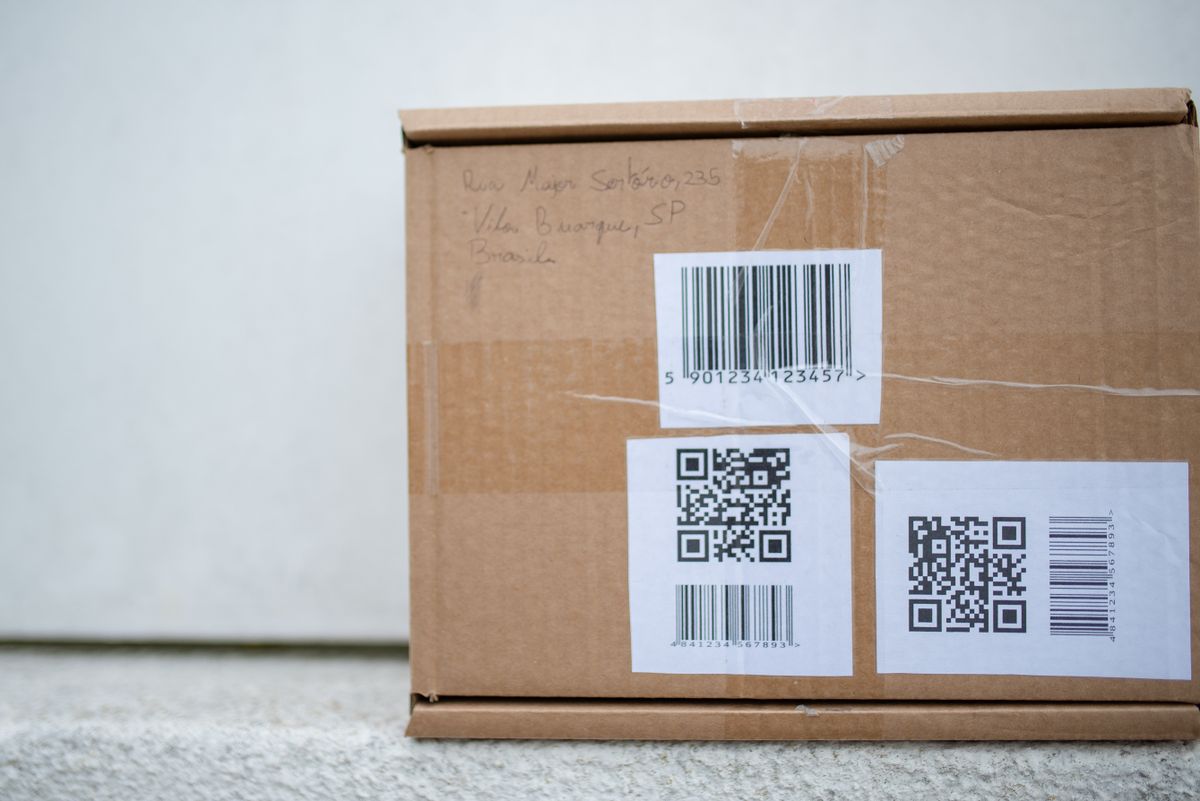
Reserve a quiet, flat area away from folds, seams, package edges and transparent glare. GS1 implementation guidance recommends considering the packaging process so the symbol is not obscured or damaged. Check orientation with the printing method.
Maintain strong contrast and avoid decorative backgrounds behind the bars. Keep human-readable digits legible. If the label also contains size, colour, order or sustainability information, verify each statement separately and avoid crowding the scan area.
Print and scan verification
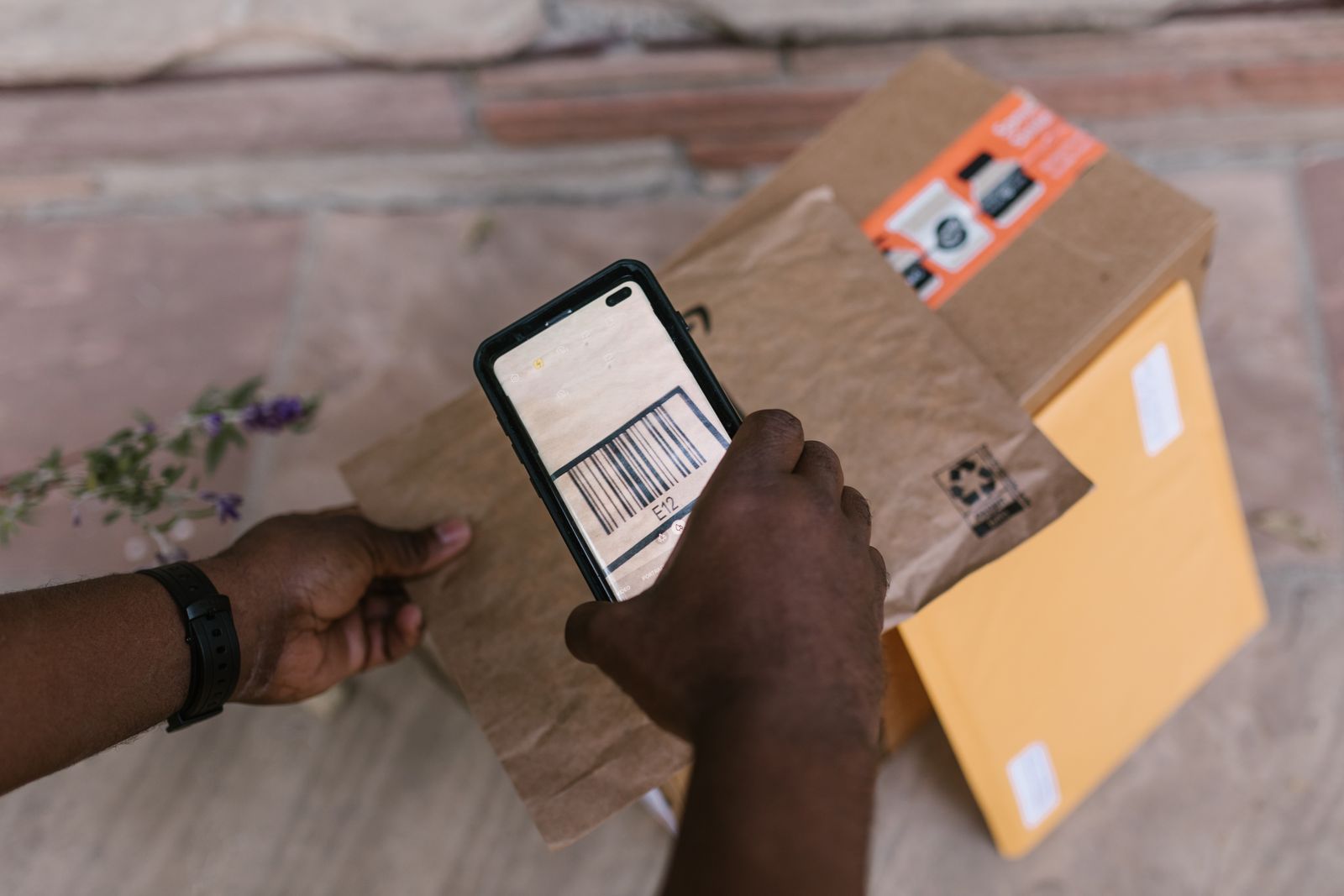
Test the final printed label on the actual bag, hangtag or carton. A perfect screen file can fail after scaling, low-resolution export, thermal printing, lamination or curvature. Scan examples from every label type and compare decoded data with the master table.
Formal barcode quality requirements may need calibrated verification equipment and an agreed standard. A phone scan is useful for workflow testing but should not be presented as certification. Record printer, stock, artwork revision and result.
Packing and warehouse controls
Match the exterior label to the garment’s sewn size and style identity before sealing the package. Use a controlled scan-and-confirm process when available. Quarantine unreadable, duplicated or mismatched labels rather than correcting data by hand.
For cartons, identify the contents and carton sequence according to the customer’s approved template. ISO 780 covers graphical handling symbols for distribution packages, but those symbols do not replace barcode, carrier or destination requirements. Reconcile packed quantity with the final order.
streetwear packaging barcode comparison table
| Control point | Owner | Verification | Failure prevented |
|---|---|---|---|
| GTIN assignment | Brand/responsible seller | Master data review | Invalid identity |
| Variant mapping | Brand and supplier | Style-colour-size table | Duplicate code |
| Artwork | Approved designer | Data and dimensions | Wrong symbol |
| Printing | Packaging supplier | Printed scan test | Unreadable label |
| Packing | Factory/warehouse | Garment-to-label match | Wrong variant |
| Receiving | Customer | Carton and item scan | Inventory error |
streetwear packaging barcode buyer checklist
- Barcode ownership is documented.
- Each required variant has a controlled identifier.
- Symbol type matches the scan environment.
- Artwork preserves contrast and quiet space.
- Label placement avoids folds and damage.
- Printed samples are scanned and compared.
- Garment, label and order data match.
- Carton quantities reconcile with records.
streetwear packaging barcode FAQ
Can a factory create a GTIN for the brand?
The responsible brand or seller should obtain and control legitimate identifiers. The factory can print approved data but should not invent or reuse numbers.
Does every size need a different barcode?
Identification rules depend on the trade-item structure and channel. Brands should map each relevant variant according to current GS1 and retailer requirements.
Is a successful phone scan enough?
It is useful for workflow checking, but formal print-quality verification may require calibrated equipment and a defined standard.
Can a QR code replace EAN or UPC?
Not automatically. The required symbol depends on the scan environment and data purpose. Confirm the retailer or logistics specification.
Streetwear packaging barcode approval workflow
Begin with a master data file controlled by the brand. Protect identifier columns from casual editing and use a revision date. Export label data through a repeatable process instead of typing digits into each artwork. If manual entry is unavoidable, require an independent comparison before printing.
Produce a small label trial for every substrate and printer combination. Apply labels to filled packages because curvature, wrinkles and contents can change the scan surface. Test at the point of sale, packing desk or receiving device that represents the intended workflow, then retain the accepted sample.
During packing, verify the garment identity before the individual package is closed. A scan can confirm encoded data, but it cannot detect that the wrong size garment was placed inside. Combine scanning with a visual or system check against the sewn size label and order line.
After packing, reconcile label usage, packed quantities, rejected labels and unused stock. Destroy or control obsolete labels so they cannot be attached to a future order. Save the final variant table, artwork and test record for receiving questions and repeat-order validation.
Streetwear packaging barcode change control
Any change to style, colour, size designation, package format, retailer or barcode owner should trigger a data review. Use a change form that names affected variants and the date old labels become obsolete. When artwork is updated without a data change, verify that scale, contrast and symbol integrity remain acceptable.
For repeat orders, compare the new purchase order with the retained master file rather than printing from an old folder automatically. Check that discontinued identifiers are not reassigned. If the customer provides revised labels, confirm whether remaining old stock must be destroyed, returned or segregated.
Receiving teams should report the decoded identifier, visible garment details and carton number when a mismatch occurs. This evidence helps separate master-data errors, printing errors and packing errors. A clear feedback loop improves future control without making assumptions about where the failure began.
Conclusion
A controlled streetwear packaging barcode keeps product identity consistent from private label approval to receiving. Explore our custom streetwear products, review our sampling process guide, and contact Aimer Custom Lab with your variant table and approved label requirements.
Authoritative references: GS1 get a barcode, GS1 ten implementation steps, ISO 780 package symbols.