Streetwear Pilling Test: Fabric Buyer Guide
A streetwear pilling test evaluates a fabric’s tendency to develop fuzz, pills, or surface matting during controlled rubbing or tumbling. These changes can make a premium hoodie, oversized T-shirt, fleece pant, or brushed jacket look old before its structure actually fails. Because pilling depends on fiber, yarn, knit, finish, laundering, friction, and wearer behavior, buyers need a repeatable comparison rather than a vague promise that a fabric is “anti-pilling.”
Quick Answer: Select a method suitable for the fabric, agree on specimen preparation, laundering state, cycle or exposure intervals, visual standards, lighting, and rating rules. Test the production face and retain an untreated control. Use the grade to compare candidates under identical conditions; do not convert it into an exact garment lifespan.
What a Streetwear Pilling Test Measures
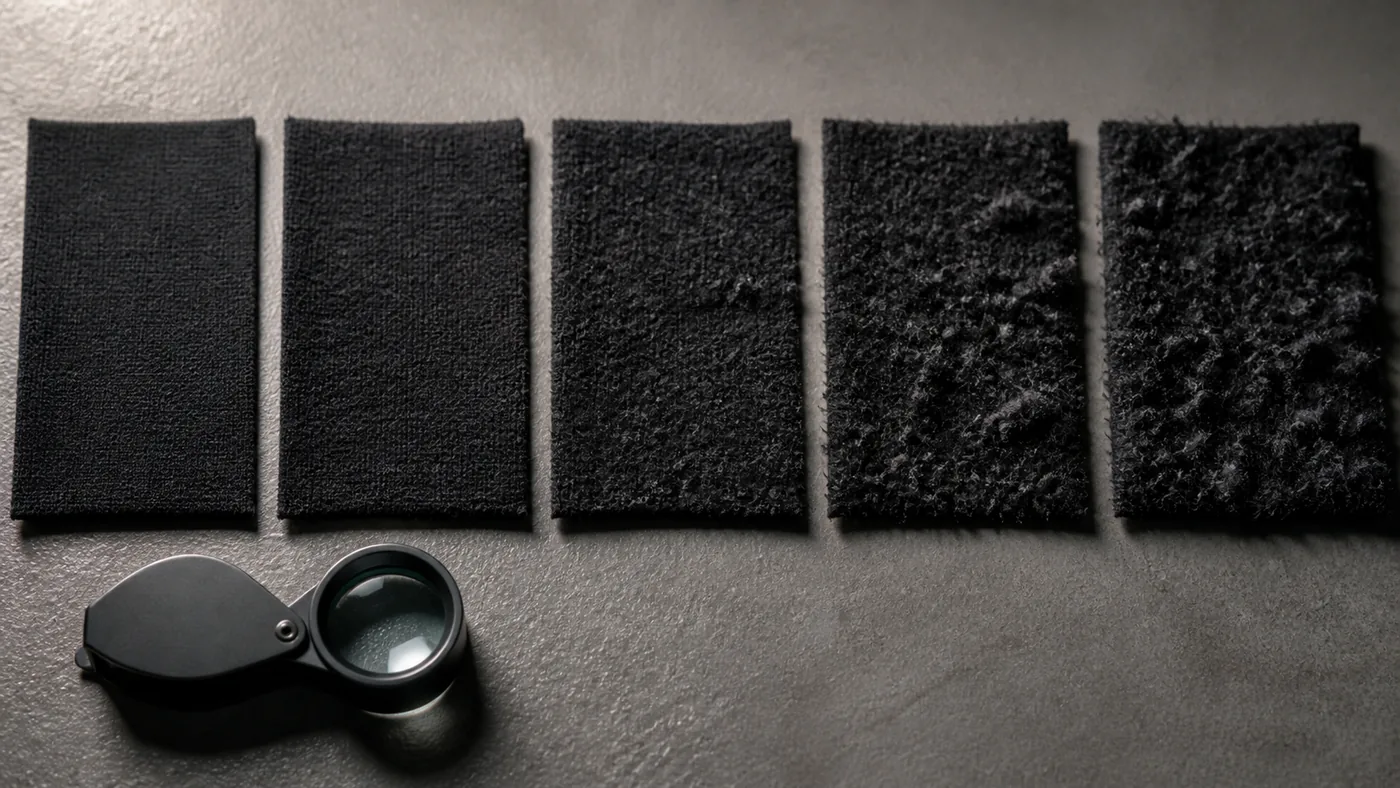
Fuzzing occurs when fiber ends rise from the surface. Pills form when loose fibers entangle into visible balls that remain anchored to the fabric. Matting is a compressed or tangled surface change. These phenomena may occur together, but they affect appearance differently. A report should describe the observed change rather than state only “pass.”
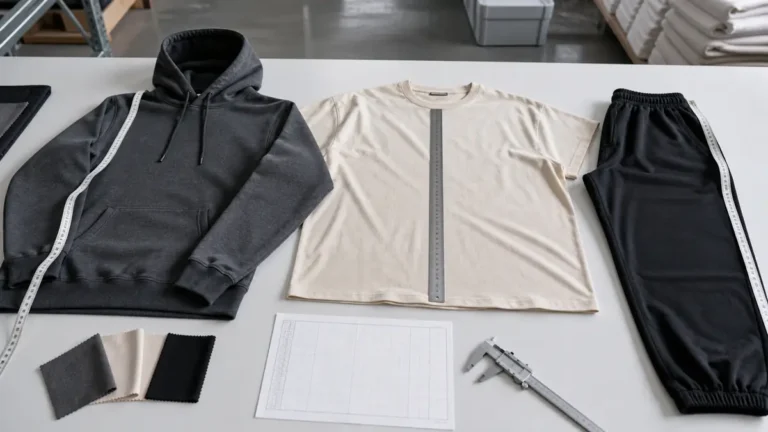
Streetwear fabrics are diverse. Combed cotton jersey, cotton-poly fleece, brushed backs, compact interlock, recycled blends, garment-dyed knits, and peached woven fabrics do not respond the same way. The outer face seen by the customer is usually the priority, but the inside of a hoodie may also pill and shed onto light layers.
Streetwear Pilling Test Standards
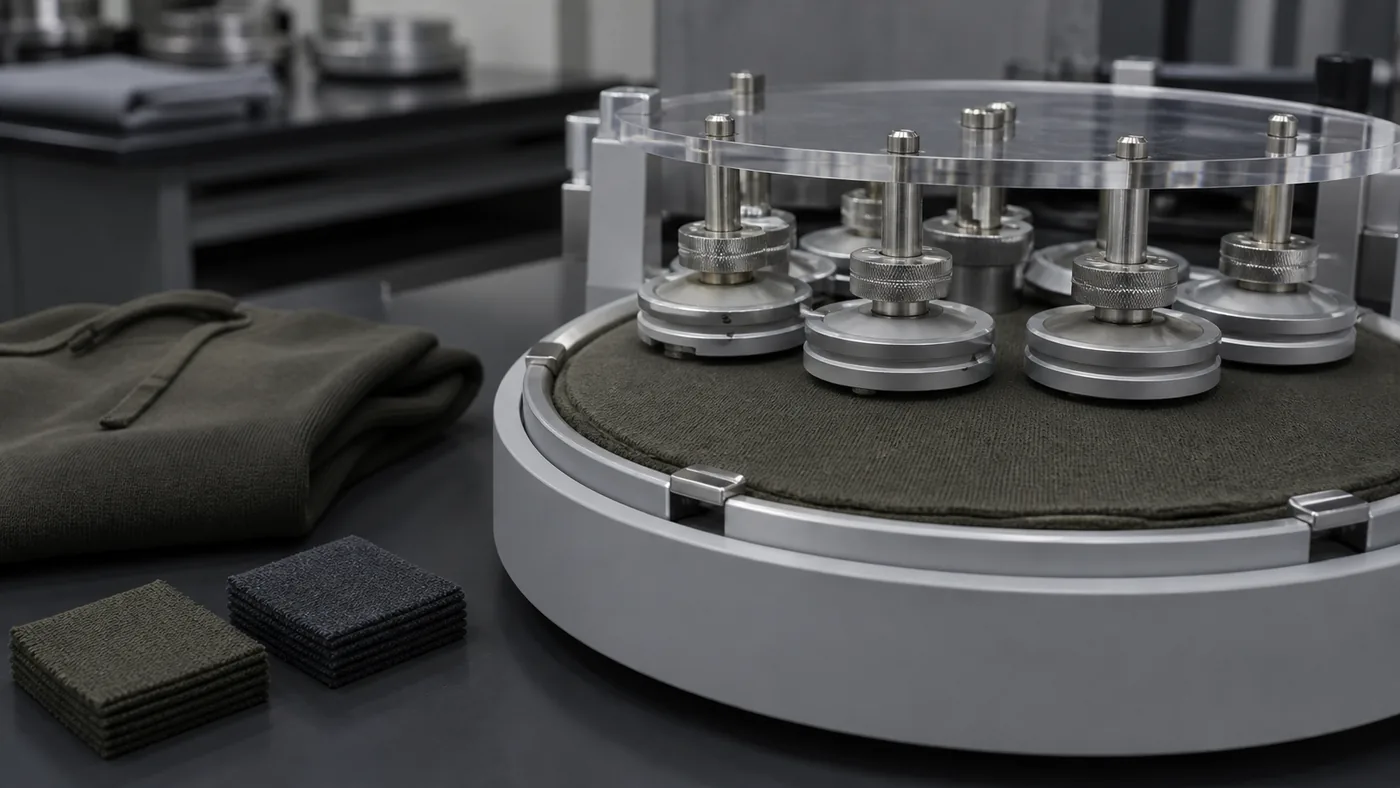
ISO 12945-2:2020 specifies a modified Martindale method. ASTM D4970/D4970M covers pilling resistance and related surface changes using a Martindale tester. ISO also publishes methods for the pilling box, random tumble, and visual assessment within the 12945 series. Select one procedure and keep every condition constant when comparing suppliers.
| Method choice | What to document | Why it matters |
|---|---|---|
| Apparatus | Martindale, box, or tumble method | Results are not interchangeable |
| Exposure | Cycles, intervals, pressure, abradant | Controls test severity |
| Specimen state | As received or after care | Washing and finish change surfaces |
| Face and direction | Outer/inner and orientation | Structures can be asymmetric |
| Rating | Visual standard, lighting, evaluator | Appearance grading needs consistency |
| Observations | Fuzz, pills, matting, color change | Different failures need different actions |
Plan the Streetwear Pilling Test Around End Use
A tee worn under a bag strap experiences different friction from the brushed interior of a hoodie or the seat of a fleece pant. List likely high-contact zones, the face exposed at each zone, and the expected care process. For reversible, bonded, or double-face fabrics, test both visible surfaces when both can contact the wearer or other garments.
Decoration can influence local pilling. Dense embroidery and backing create stiff edges; large prints change surface friction; garment washes can raise fiber ends; and pigment dye can change appearance during rubbing. Test the base fabric for material control and examine decorated or washed assemblies separately when relevant.
Streetwear Pilling Test Approval Workflow
- Identify fabric code, composition, yarn, construction, weight, and finish.
- Choose the method and visual standard before sample approval.
- Mark outer and inner faces and relevant directions.
- Condition specimens and prepare them consistently.
- Test at the agreed intervals without mixing methods.
- Rate under controlled light against the correct standard.
- Record fuzzing, pills, matting, shade, and other changes.
- Repeat after the approved care sequence when durability matters.
Connect the decision to the custom oversized T-shirt product page and the streetwear garment wash guide. Fabric surface, finishing, decoration, wash recipe, and care label must support the same quality target.
How Fiber and Yarn Affect Pilling
Loose short fibers can emerge more easily, while strong fibers may hold pills on the surface once they form. Blend ratios, fiber length, yarn twist, hairiness, filament structure, and spinning system all contribute. A fabric with fewer visible pills is not necessarily more durable if loose fibers simply break away quickly, so inspect thinning and mass loss separately.
Construction controls how fibers are exposed and how much movement occurs. Tight compact knits may resist disturbance better than open structures, but hand feel and drape must still meet design intent. Brushing creates softness by raising fibers and can increase the need for careful pilling evaluation.
Streetwear Pilling Test After Washing
Washing can remove loose fibers, raise new fuzz, relax the knit, or reduce a temporary finish. Specify detergent, temperature, cycle, drying, and number of care repetitions. If the garment will receive an enzyme, acid, pigment, silicone, or softening treatment, use the actual production route before final testing.
Compare the as-received and cared specimens with a sealed control. A finish that produces an excellent initial grade may not remain effective. Conversely, one wash may remove loose surface fiber and improve later appearance. The report must state the care state so the result is not misrepresented.
Improve a Weak Streetwear Pilling Test Result
Investigate fiber selection, yarn quality, twist, knit density, singeing, compacting, brushing, enzyme treatment, softener, and finishing. Avoid changing several variables at once because the effect cannot be isolated. Confirm that any improvement does not create excessive stiffness, shade change, shrinkage, reduced print adhesion, or unwanted cost.
Where a specific appearance is intentional, define an approved visual range rather than ignoring the risk. Vintage streetwear can show controlled surface character, but random heavy pills, patchy matting, and premature fuzz are still quality defects unless the buyer explicitly approves them.
Streetwear Pilling Test Reporting Checklist
- Method, edition, apparatus, exposure, and intervals.
- Fabric, color, lot, construction, finish, and care state.
- Tested face, direction, and specimen count.
- Individual grades and agreed summary.
- Visual standard, lighting, and evaluator controls.
- Notes on fuzz, pills, matting, shedding, and color.
- Photographs with a retained physical control.
- Traceability to sample and production lot.
Carry the Streetwear Pilling Test Into Bulk Control
Seal an approved fabric and finished garment reference, then link every incoming roll or dye lot to inspection and test records. If weight, width, hand, brushing, shade, or surface hairiness changes, stop and compare before cutting. Production teams should also watch for process variation in brushing, compacting, washing, and drying. Periodic verification based on risk helps keep the streetwear pilling test result representative of delivered garments rather than only the development sample.
Common Buyer Errors
- Comparing Martindale and random-tumble grades directly.
- Reporting a grade without cycles or exposure.
- Ignoring the washed condition.
- Testing the inner face when the outer face drives appearance.
- Counting pills without noting fuzz, matting, or thinning.
- Changing finish or yarn after approval without retesting.
FAQ
Is a pilling test the same as abrasion resistance?
No. Related rubbing may be used, but pilling evaluates surface fuzz, pills, and matting, while abrasion tests focus on wear, mass loss, appearance change, or breakdown under another procedure.
What pilling grade should a streetwear brand require?
There is no universal target for every fabric. Set the acceptance level with the method, exposure, product, color, finish, and intended use clearly defined.
Should fleece be tested inside and outside?
Test every face that creates appearance, shedding, or wearer concerns. Brushed inner surfaces may need separate evaluation from the outer face.
Can anti-pilling finish solve every problem?
No. Finish is one variable. Fiber, yarn, construction, brushing, care, and actual use all influence the result, and finish durability must be verified.
When should retesting occur?
Retest after changes to fiber, yarn, knit, supplier, brushing, dye, wash, softener, finish, decoration, or production lot according to the control plan.
Conclusion: Protect the Premium Surface
A reliable streetwear pilling test defines the method and exposure, controls specimen state and rating, separates fuzz from pills and matting, and checks care durability. Send the fabric target, garment type, finish, colorways, quantity, and required method through the inquiry form before approving bulk streetwear production.