Streetwear Fabric Lot Approval Guide
Quick Answer: Streetwear fabric lot approval should verify roll and dye-lot identity, colour against the approved standard, usable width, mass per area, dimensional stability, surface quality, stretch or recovery where relevant, and compatibility with printing, embroidery, washing, and sewing. Quarantine unapproved lots, record test methods and sample locations, and release only traceable quantities in writing.
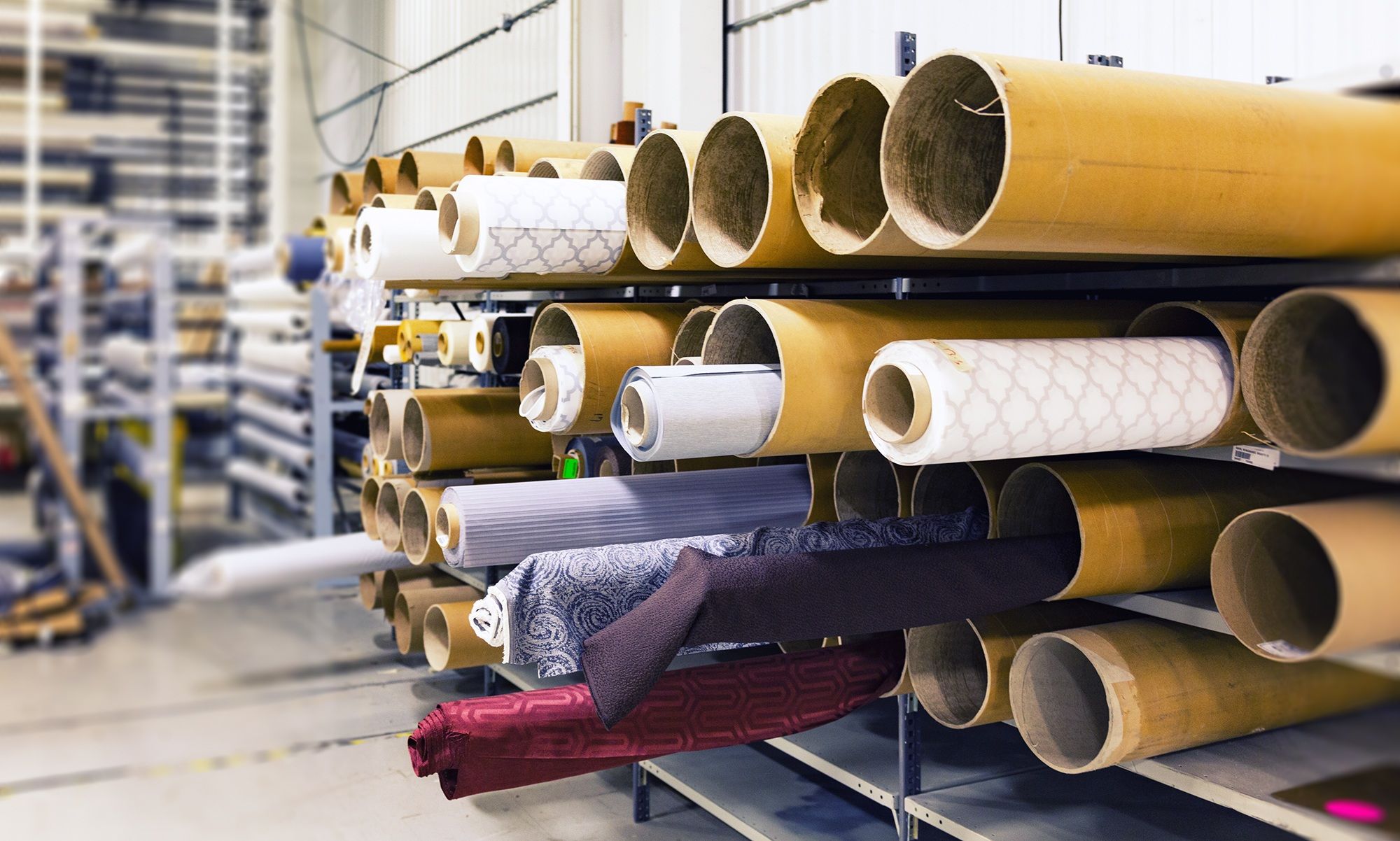
Streetwear fabric lot approval protects the design before cutting converts a material problem into finished-garment loss. A lab dip, handloom, or development swatch can approve direction, but production fabric arrives in identifiable lots and rolls. Buyers need evidence that the received material matches the intended construction and can perform through sewing, decoration, washing, wear, and care.
What is streetwear fabric lot approval?
It is a documented decision to accept, conditionally accept, segregate, or reject a defined quantity of fabric. The decision links supplier documents, lot and roll numbers, sampling locations, test results, shade references, visual inspection, and intended product use. It should be completed before bulk cutting unless a formally controlled exception is authorised.
A lot is not merely “all black fleece in the warehouse.” It must have a traceable identity. Mixing unapproved dye lots or constructions can produce shade bands, different shrinkage, inconsistent print appearance, or uneven garment measurements.
Why can two fabric lots behave differently?
Variation can enter through fibre blend, yarn, knitting or weaving settings, dyeing, finishing, heat history, compaction, brushing, coating, storage, and moisture. Two rolls may look similar while relaxed but respond differently after washing or printing. Conversely, measured values can be similar while surface character or shade is visibly different.
The approval plan should combine measurable tests with a controlled visual standard. Requirements must be selected for the intended product: a heavyweight hoodie fleece, fluid jersey T-shirt, mesh panel, woven jacket shell, and rib trim do not share the same critical properties.
Which checks belong in streetwear fabric lot approval?
| Property | Buyer question | Evidence | Risk if missed |
|---|---|---|---|
| Identity and construction | Is this the ordered fibre, knit/weave, finish, and lot? | Documents plus technical verification | Wrong hand, performance, or care route |
| Shade and surface | Does the roll match the approved standard and range? | Controlled-light and roll-position review | Panel or garment shade mismatch |
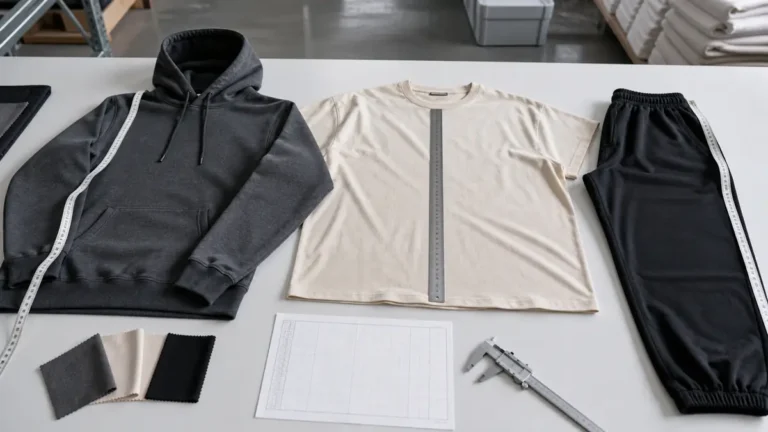
| Mass and usable width | Are GSM and cuttable width within agreement? | Method-based measurements | Cost, yield, opacity, or silhouette change |
| Dimensional stability | How does fabric change after the agreed process? | Marked specimens and wash/dry method | Size and proportion failures |
| End-use compatibility | Can it be sewn, washed, printed, and worn as intended? | Pilot trials and selected performance tests | Puckering, migration, pilling, distortion |

How should streetwear fabric lot approval be run?
- Quarantine the receipt. Separate it from approved stock and preserve supplier labels.
- Reconcile documents. Check purchase reference, composition claim, construction, finish, colour, quantity, lot, and roll list.
- Condition representative samples. Follow the agreed laboratory or internal method before measurement.
- Sample across the lot. Select rolls and positions that can reveal beginning, middle, end, edge, and centre variation.
- Review shade and defects. Compare with the sealed standard under consistent lighting and record roll-level findings.
- Measure critical properties. Test the agreed GSM, width, dimensional change, stretch, recovery, pilling, airflow, or other end-use criteria.
- Run production trials. Confirm cutting, sewing, decoration, washing, pressing, and appearance where risk justifies it.
- Classify the decision. Approve, approve with segregation, require rework, or reject with reasons.
- Release traceable stock. Update inventory status and retain evidence connected to the finished orders.
How should shade be controlled within and between rolls?
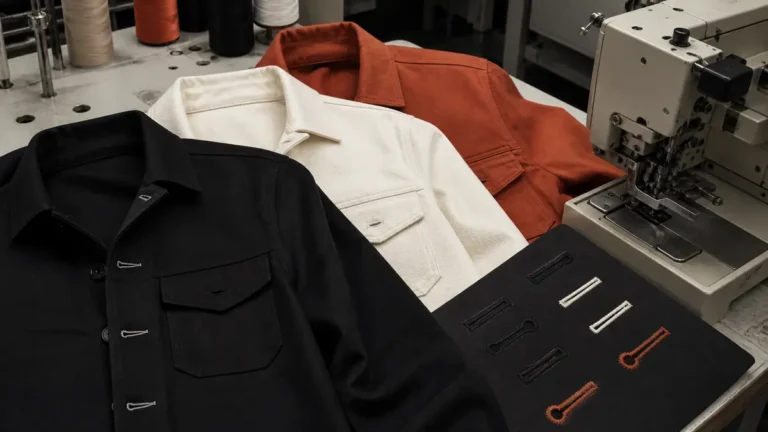
Compare each sampled area with the approved standard under defined lighting and background. Review side-to-side, edge-to-centre, and end-to-end differences. For cut-and-sew garments, shade variation can become visible when panels from different rolls meet at a seam. A roll-level shade grouping or cutting rule may be needed.
Do not rely on a phone photo as the controlling colour evidence. Cameras and screens alter exposure and white balance. Photographs can support traceability, while physical standards and an agreed instrumental or visual method control the decision.
Why do GSM and usable width need methods?
Mass per unit area influences opacity, drape, perceived quality, warmth, print response, and garment cost. Usable width influences consumption and marker efficiency. Both can vary across the roll. State how specimens are taken, conditioned, measured, and averaged; otherwise two parties can produce different numbers from the same fabric.
GSM alone does not define quality. A heavier fabric can still pill, shrink, skew, or recover poorly. Buyers should treat it as one part of a construction and performance profile.
How should shrinkage and appearance be connected?
ISO 3759 gives principles for marking and measuring textile specimens and garments before dimensional-change tests. ISO 5077 addresses determining dimensional change after washing and drying. The applicable wash and drying procedure must also be specified. A number without the full method is incomplete.
Review appearance after processing as well as length and width. Spirality, skew, surface fuzz, pilling, seam behaviour, colour loss, and rib interaction can affect finished streetwear. The T-shirt fabric spirality testing guide covers one related risk; the lot approval should route each risk to the appropriate method.
What belongs in a fabric release record?
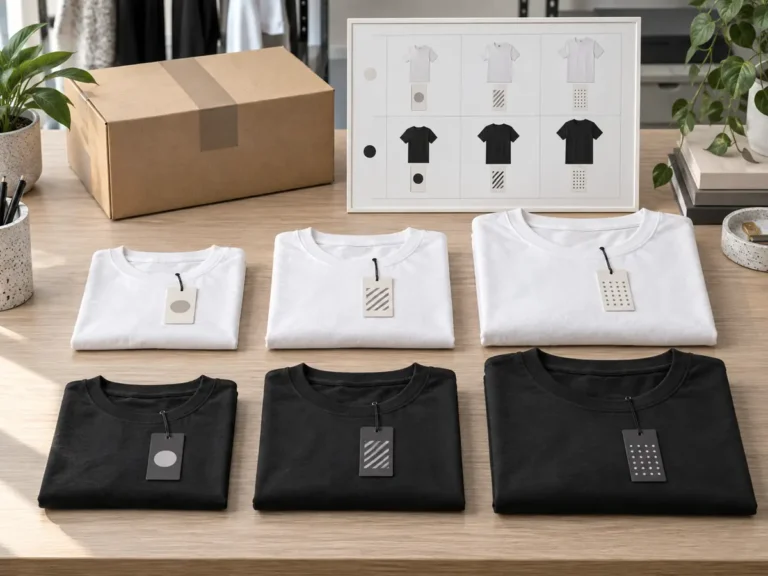
- Supplier, purchase reference, fabric code, colour, lot, and roll numbers
- Claimed composition, construction, finish, and care route
- Approved standard and allowable shade grouping
- Sampling plan, specimen locations, conditioning, and test methods
- GSM, usable width, dimensional change, and selected performance results
- Visual defects, roll maps, segregation, and yield implications
- Decoration, sewing, wash, or pressing trial results
- Decision, concessions, released quantity, approver, and date
- Link from released rolls to cutting batches and finished orders
When should a fabric lot be conditionally approved?
Conditional approval is appropriate only when the limitation is understood, controlled, and acceptable for a defined use. For example, shade groups may be segregated by garment if panels are never mixed; a width variation may be accepted with updated consumption; or a surface issue may be limited to removable edge waste. Record the commercial and quality implications.
Do not use conditional approval to hide missing evidence. If composition, identity, safety, or critical performance cannot be verified, the responsible buyer should hold the lot until the requirement is closed.
How does lot approval support sourcing and quality control?
Lot approval links material development with bulk execution. Review the streetwear clothing sampling process to align material, fit, wash, and pre-production decisions. The ISO 5077 standard page provides an authoritative reference for dimensional-change determination; qualified laboratories and current standards should be used for formal claims.
Traceability also enables diagnosis. If a finished batch behaves differently, the team can identify which rolls, cutting batches, wash loads, and orders were involved instead of treating the entire programme as one unknown population.
Streetwear fabric lot approval FAQ
Can the supplier’s test report replace incoming approval?
It can support the decision, but buyers should verify identity, method, lot relevance, and risk. Independent or incoming checks may still be appropriate.
Must every roll be tested in a laboratory?
Not necessarily. The sampling plan should reflect lot size, variability, risk, and method. Visual shade and defect checks may require broader roll coverage than destructive tests.
Can two dye lots be mixed in one garment?
Only after evidence shows the combination is visually and functionally acceptable. Many programmes segregate lots to avoid panel mismatch.
Does matching GSM prove the fabric is equivalent?
No. Fibre, yarn, construction, finish, stretch, recovery, shrinkage, pilling, drape, and colour behaviour can differ.
What if the width is below specification?
Hold the lot, confirm the measurement method and usable width, assess marker and cost impact, then document rework, concession, or rejection.
Should fabric be approved before decoration trials?
High-risk prints, transfers, embroidery, garment washes, or coatings should be trialled on representative production fabric before unrestricted release.
Conclusion: release fabric by evidence and identity
Streetwear fabric lot approval combines traceable identity, representative sampling, visual standards, measurable tests, and end-use trials. Quarantine first, record methods, connect any concession to defined rolls, and release only the quantity supported by evidence. To discuss material control for a men’s streetwear programme, contact Aimer Custom Lab through the website with the fabric specification, intended products, colourways, decoration, wash route, and required approval criteria.
Image credits: featured image by Ethan Bodnar and in-article image by Ela De Pure, both on Unsplash and used under the Unsplash License. Sources: Ethan Bodnar; Ela De Pure.